Vigna la Piazza Necropolis: the circle tombs
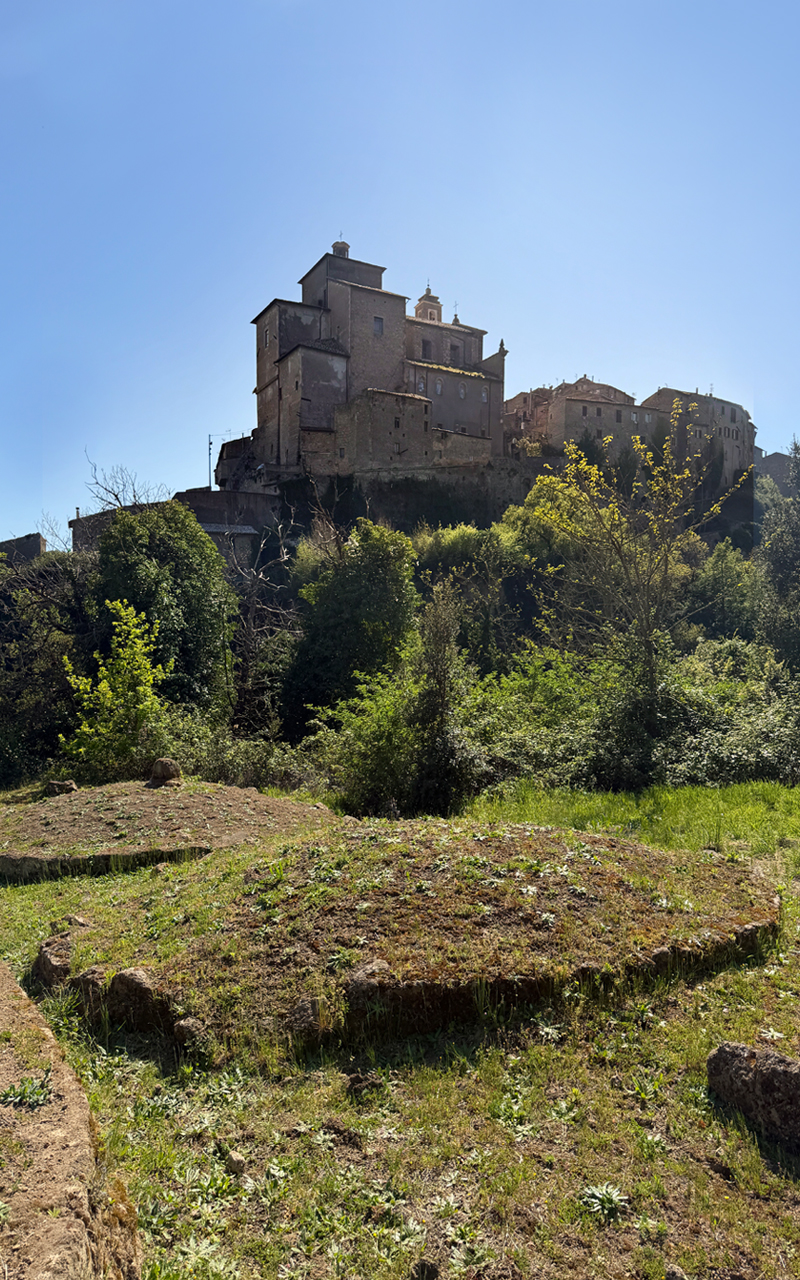
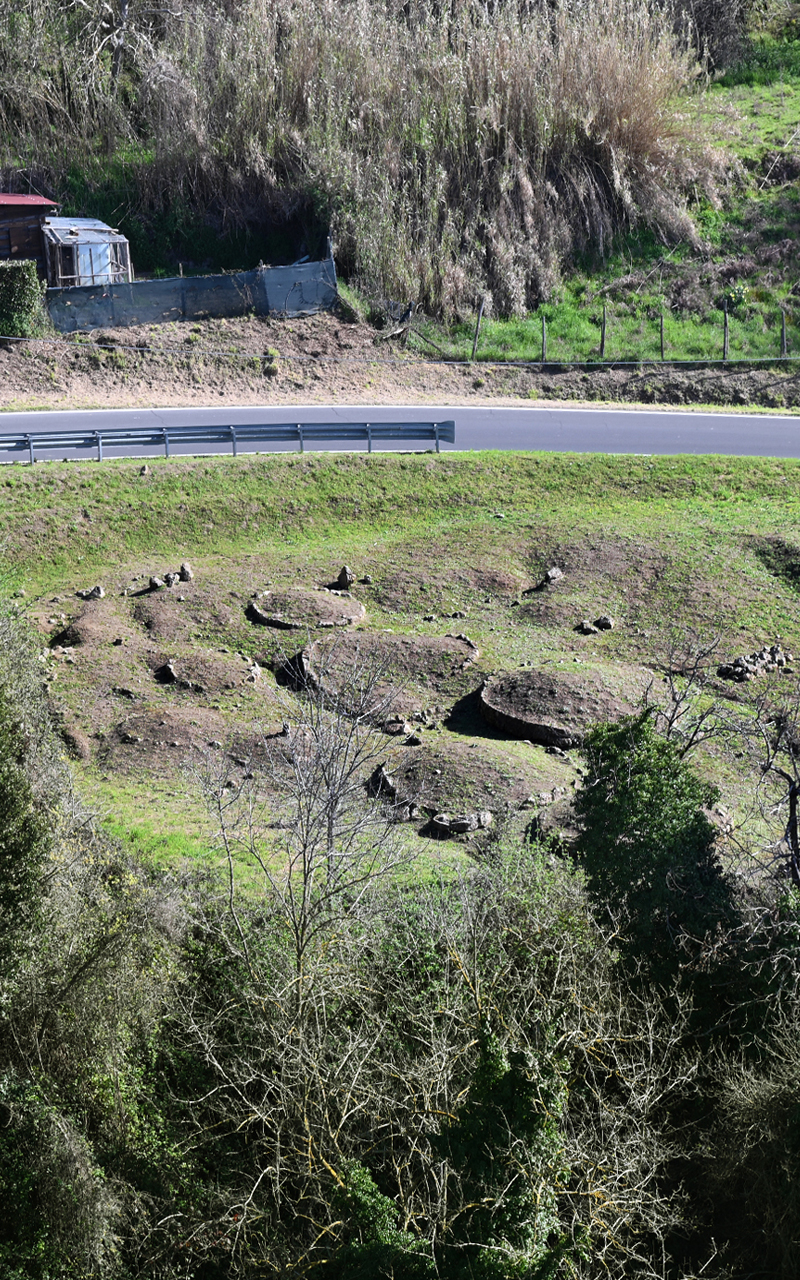
The area of the Vigna la Piazza Necropolis, which originally extended without interruption between the slope of the Moncello rise and the edge of the plateau overlooking the Fosso Fondo, is today artificially and physically divided into two sectors by Provincial Road 48, which nonetheless follows the line of an ancient route. Following this distinction, and for greater ease of understanding, it was decided to name the upper area, characterised by the presence of monumental chamber tombs carved into the tuff near the slope, “Sector A”, and the lower area, to the east of the former, characterised by the presence of circle tombs, “Sector B”.
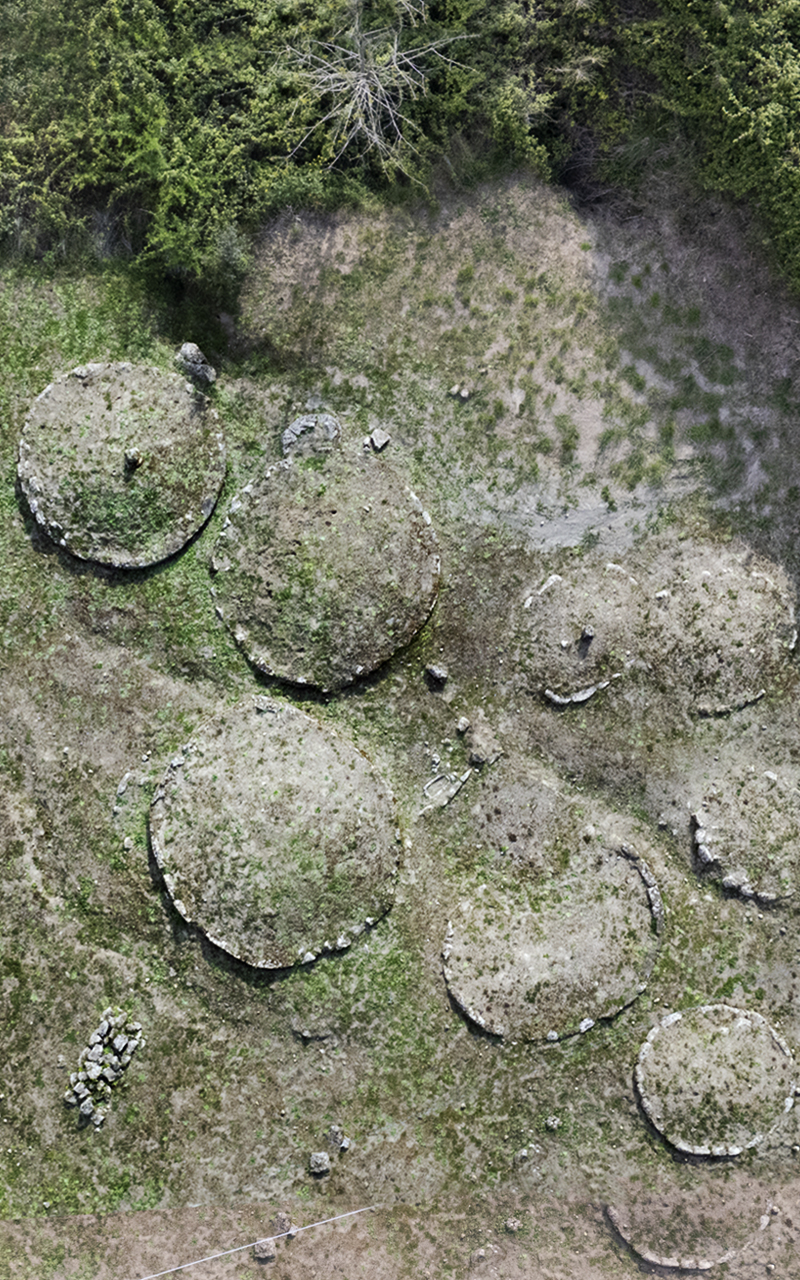
The circle tombs of the necropolis, brought to light during the 2011 excavation campaign launched by the competent Soprintendenza, constitute the earliest funerary evidence so far known in the area of La Civita at Grotte di Castro. They date back to the second half of the 8th century BC, when the Etruscan community of the plateau was part of a wider settlement system involving the centres of the Valdilago, from Bisenzio to Civita del Fosso d’Arlena and as far as Orvieto.
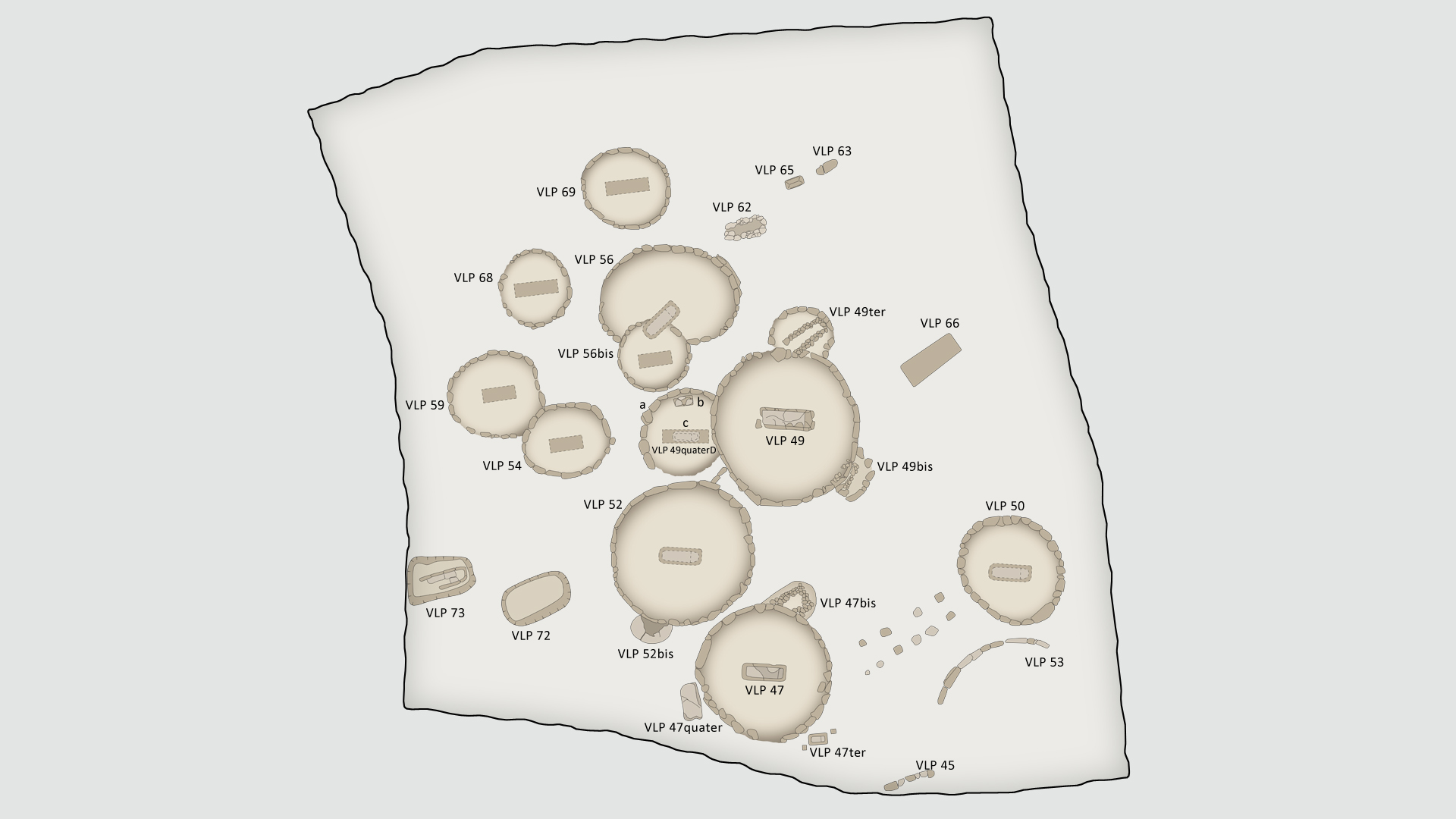
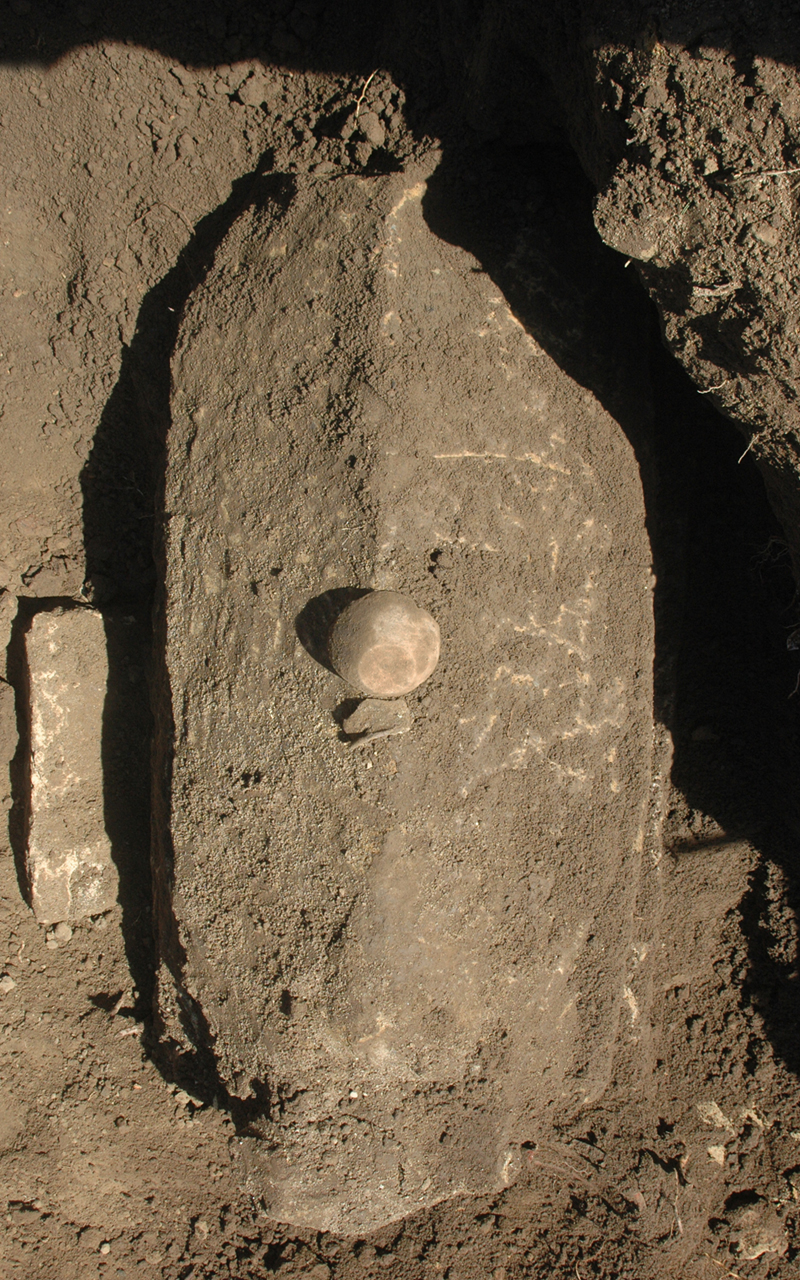
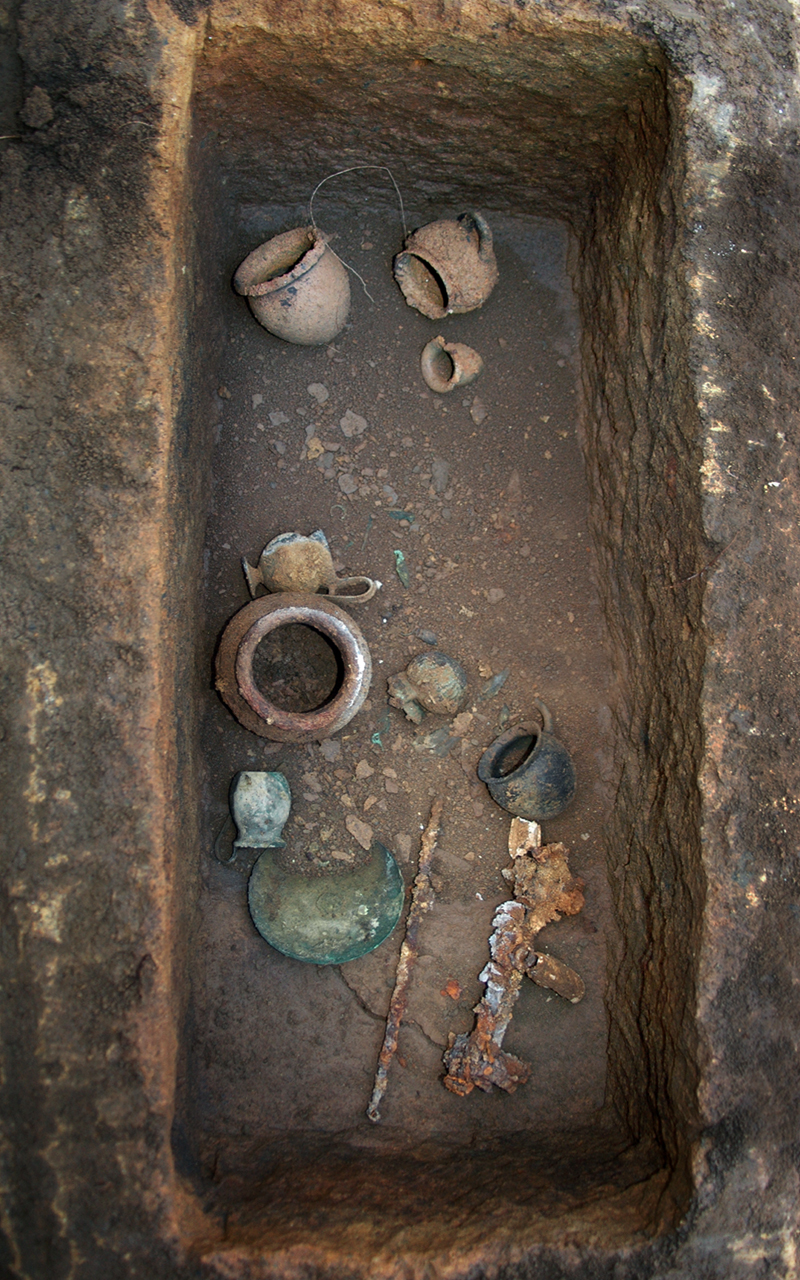
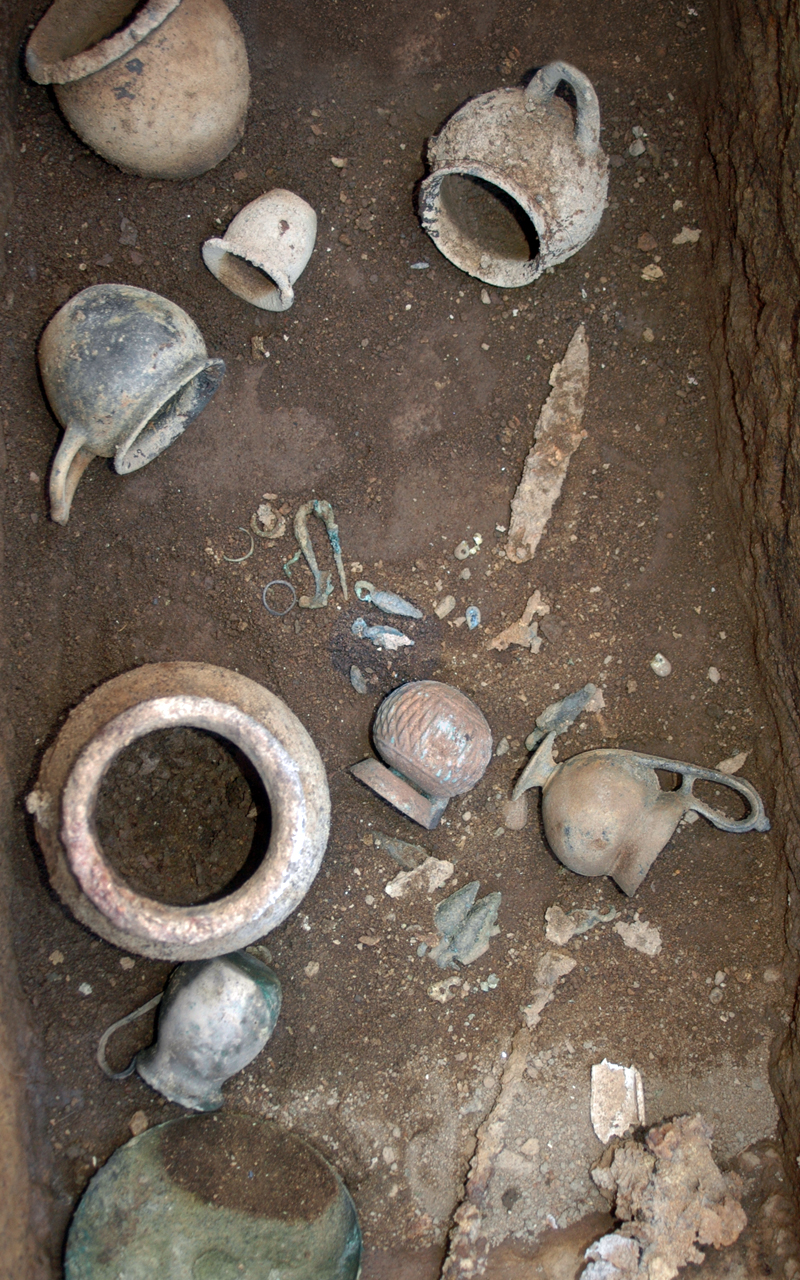
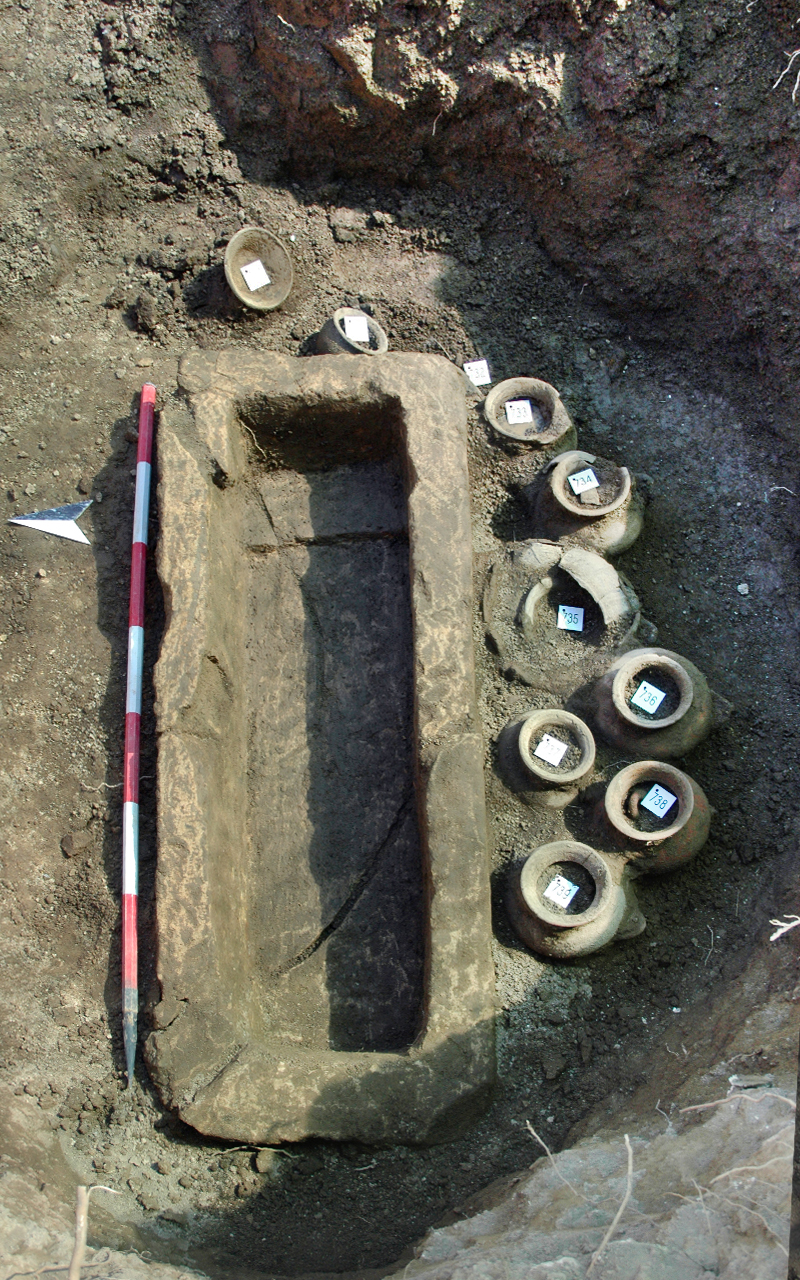
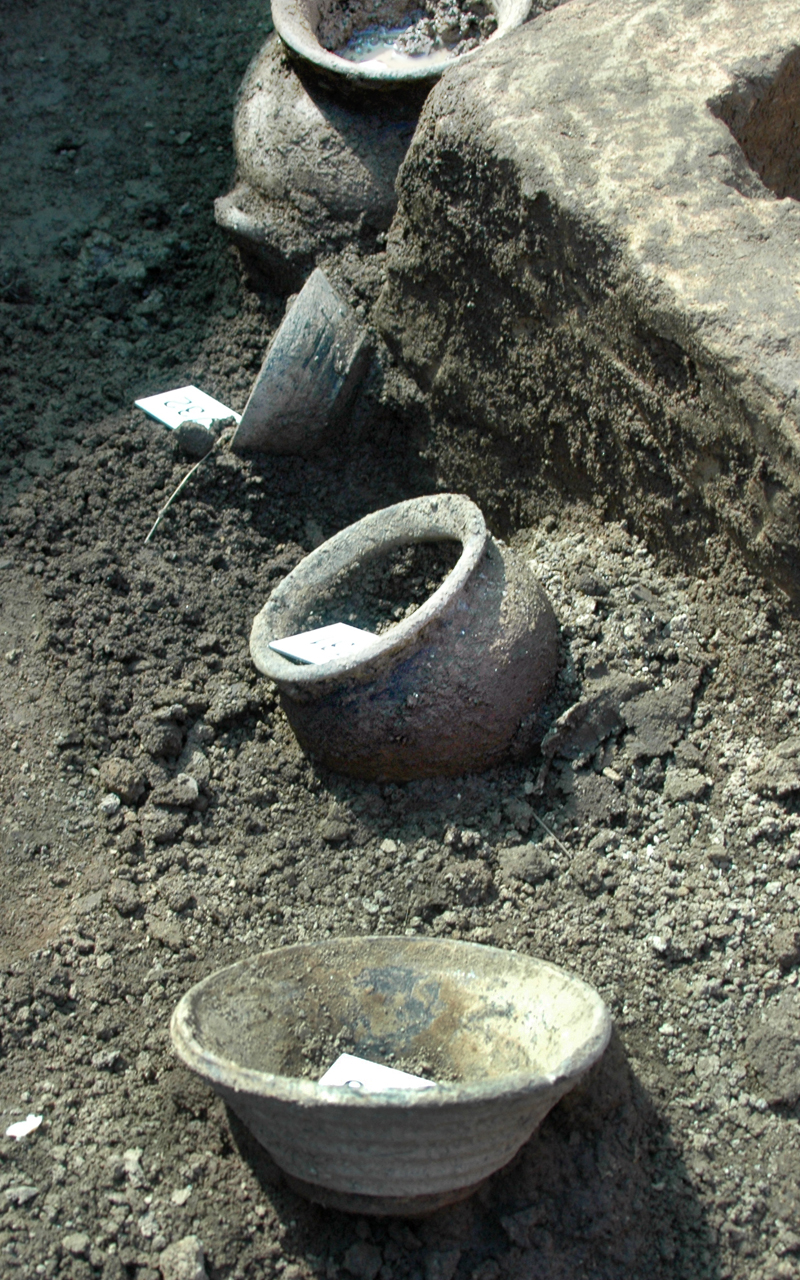
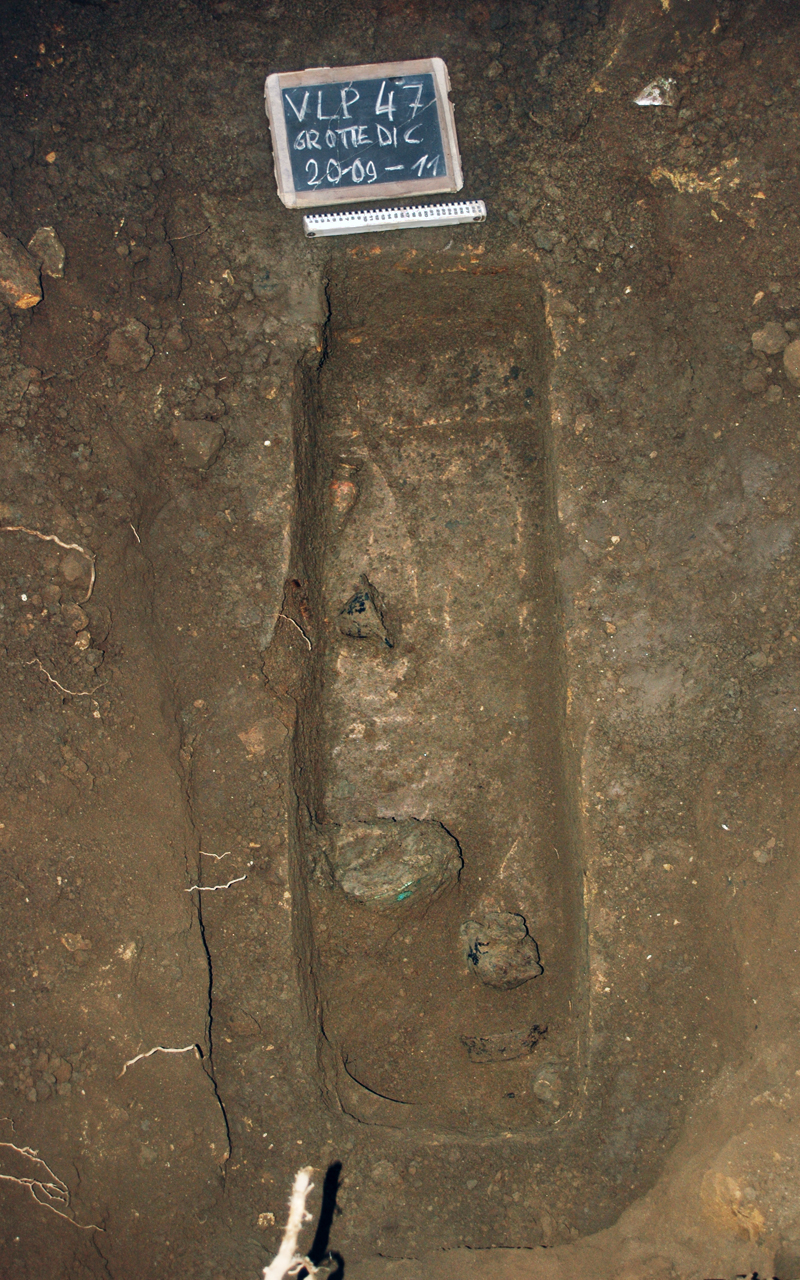
The first burials consisted of simple earth-cut graves, lined and covered with flakes of tuff to form a slight vault. The deceased was laid in a wooden sarcophagus and accompanied by personal objects: sets of fibulae and necklaces for women, weapons placed along the sides for men, and pottery placed near the head and at the feet. Among the earliest tombs, VLP47bis, a female burial, and VLP49bis, a male burial, stand out: the former in a wooden sarcophagus within a pit covered with flakes of tuff, the latter in a pit lined with stones and enclosed within a first circle of roughly shaped small blocks. Both yielded a homogeneous ceramic set, with footed biconical vases and decorated lenticular amphorae, elements typical of the Valdilago culture.
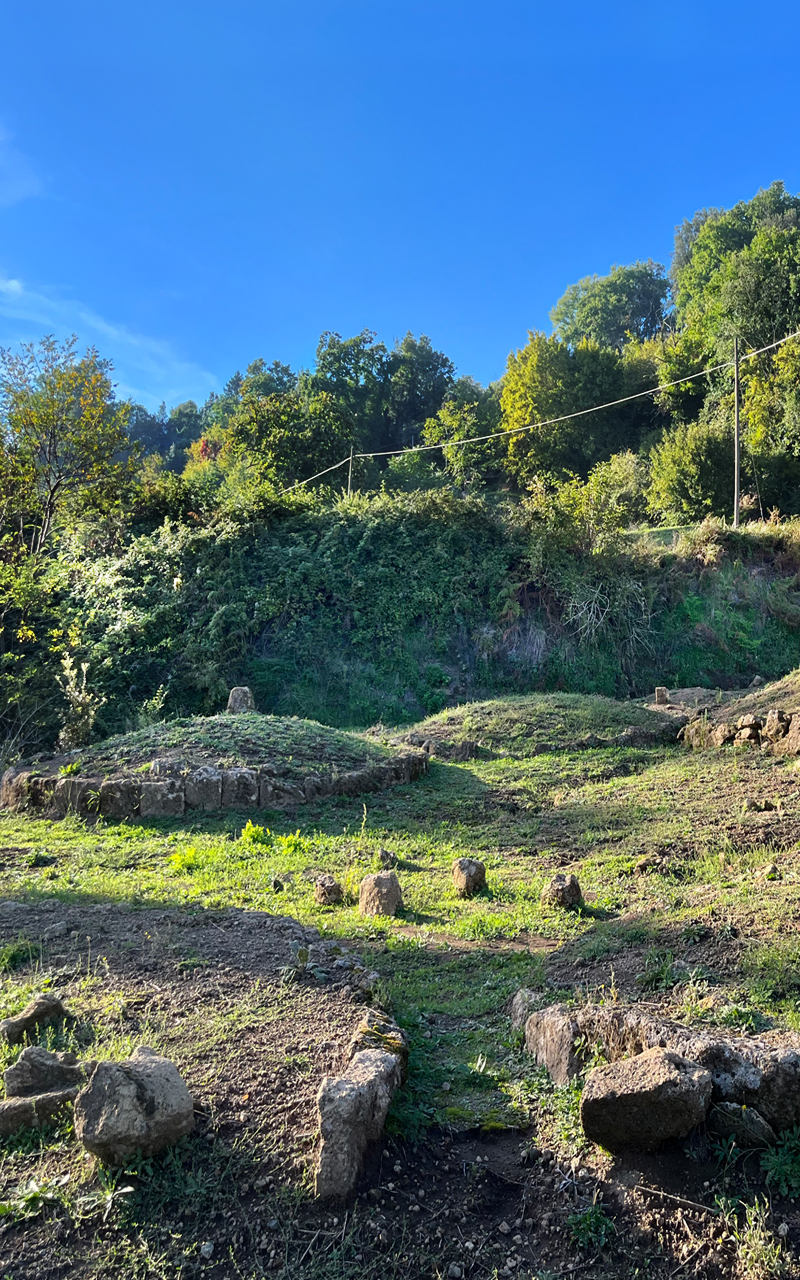
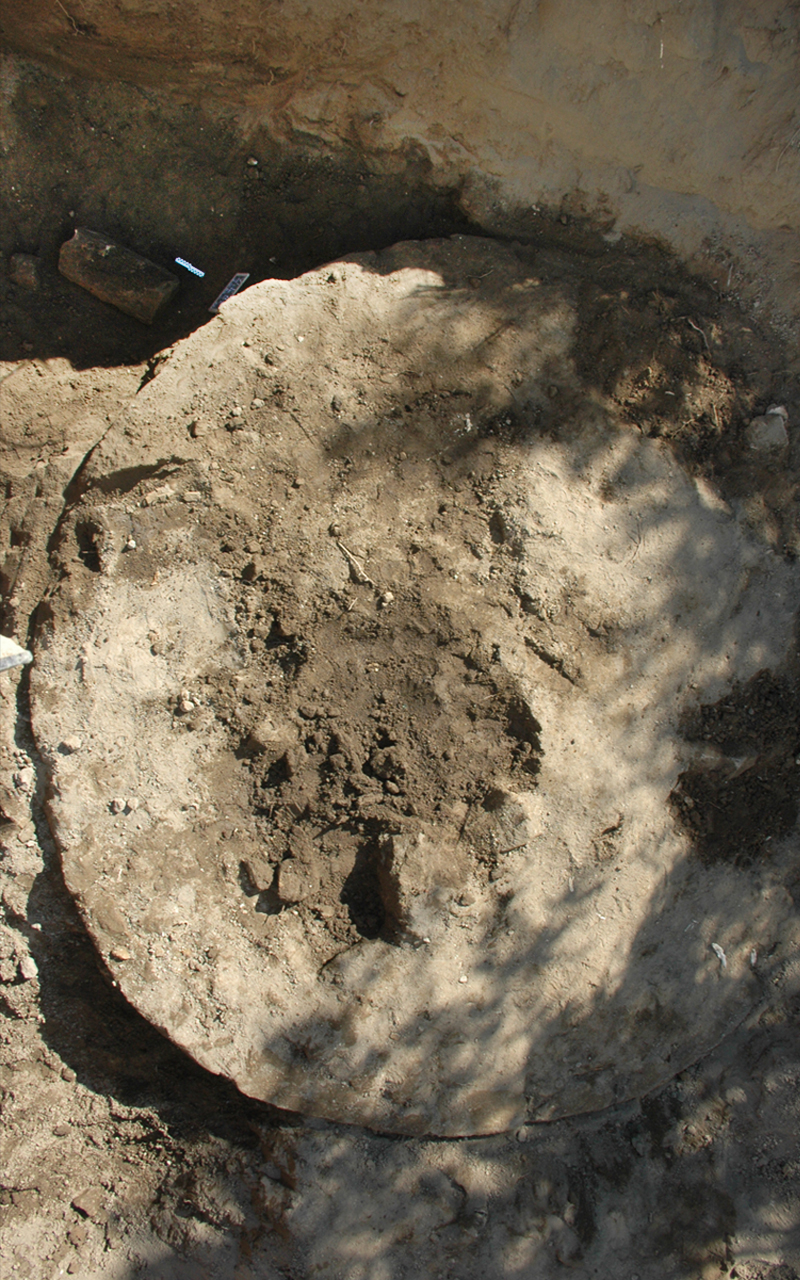
The presence of the circles is the most surprising aspect of this necropolis. Some tombs are in fact delimited by a ring of tuff blocks, sometimes accompanied by a cippus: a typology unknown in southern Etruria and paralleled only in the earliest “Italic” traditions of Umbria, Abruzzo and central-northern Etruria. At Grotte di Castro, however, the circles appear already in the first generations and continue to be used even when, in the rest of the territory, large chamber tombs carved into the tuff become established.
Around the mid-7th century BC, while funerary architecture evolved towards multi-chambered underground structures, the family group using “Sector B” of Vigna la Piazza maintained the older tradition. Wooden sarcophagi were replaced by monolithic tuff sarcophagi, closed by lids carved from a single block: with two or four slopes for men, and with a curved profile for women. The circles became larger and more regular, built with carefully worked blocks, and continued to mark the position of the tombs, making the genealogical continuity of the group visible.
Alongside the larger circles, infant burials also appear in small stone sarcophagi, such as Tomb VLP47quater, belonging to a baby girl only a few months old and provided with an extraordinarily rich set of grave goods, including personal ornaments, bronze vessels and imported Greek-oriental objects: eloquent evidence of how aristocratic status was transmitted to descendants from birth.
The research carried out at Vigna la Piazza has thus filled the chronological gap between the earliest hypotheses of occupation at La Civita and the necropolises known between the 7th and 6th centuries BC, revealing an unexpected and highly significant fact: the presence, in the earliest phases, of circle tombs, an ancient, recognisable and strongly identity-defining funerary form. The circles, superimposed on the most archaic burials and flanked by more recent ones, thus become the visible sign of the memory, belonging and continuity of a family group that chose to preserve its roots through the very form of burial.