Vigna la Piazza Necropolis
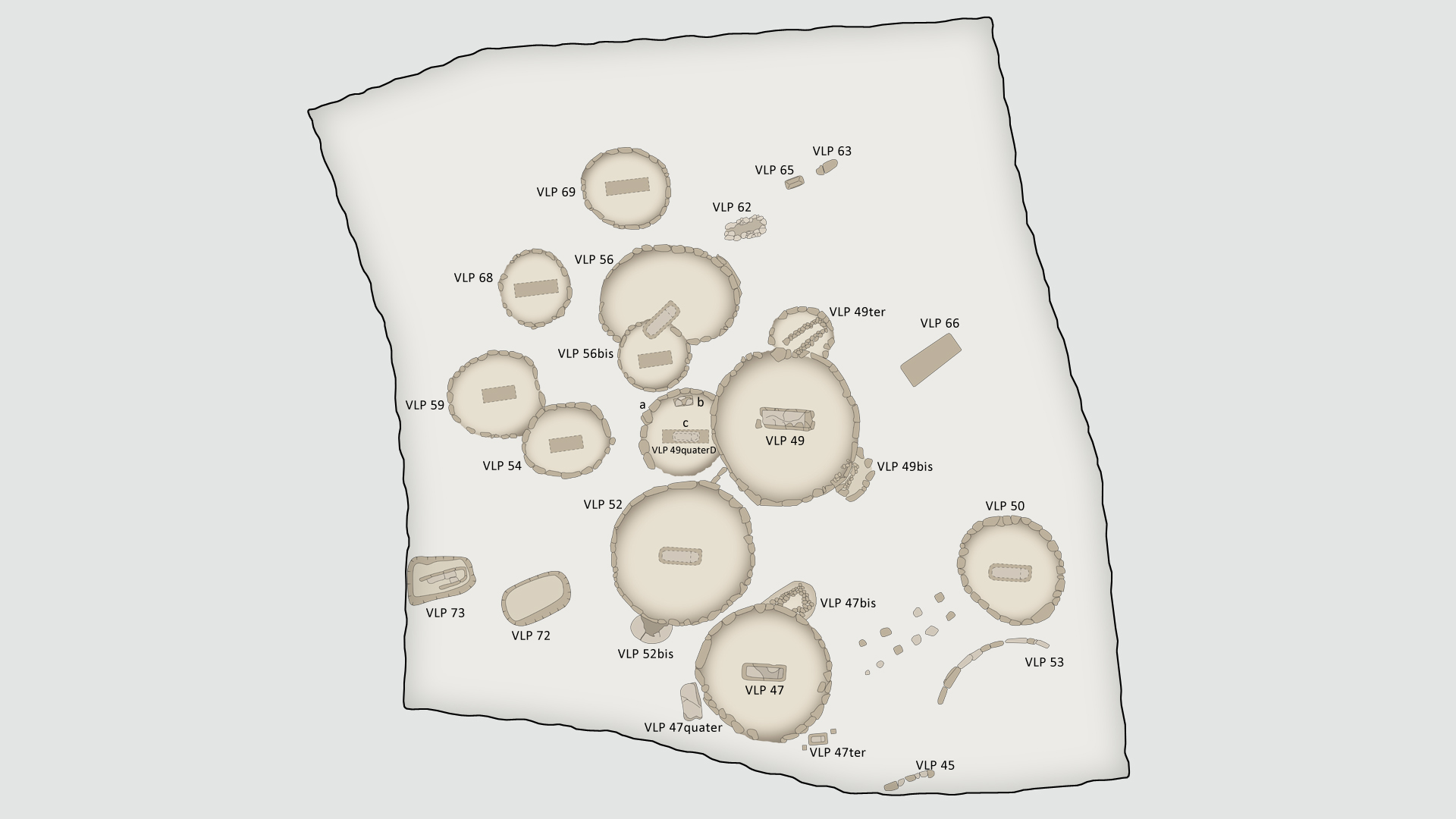
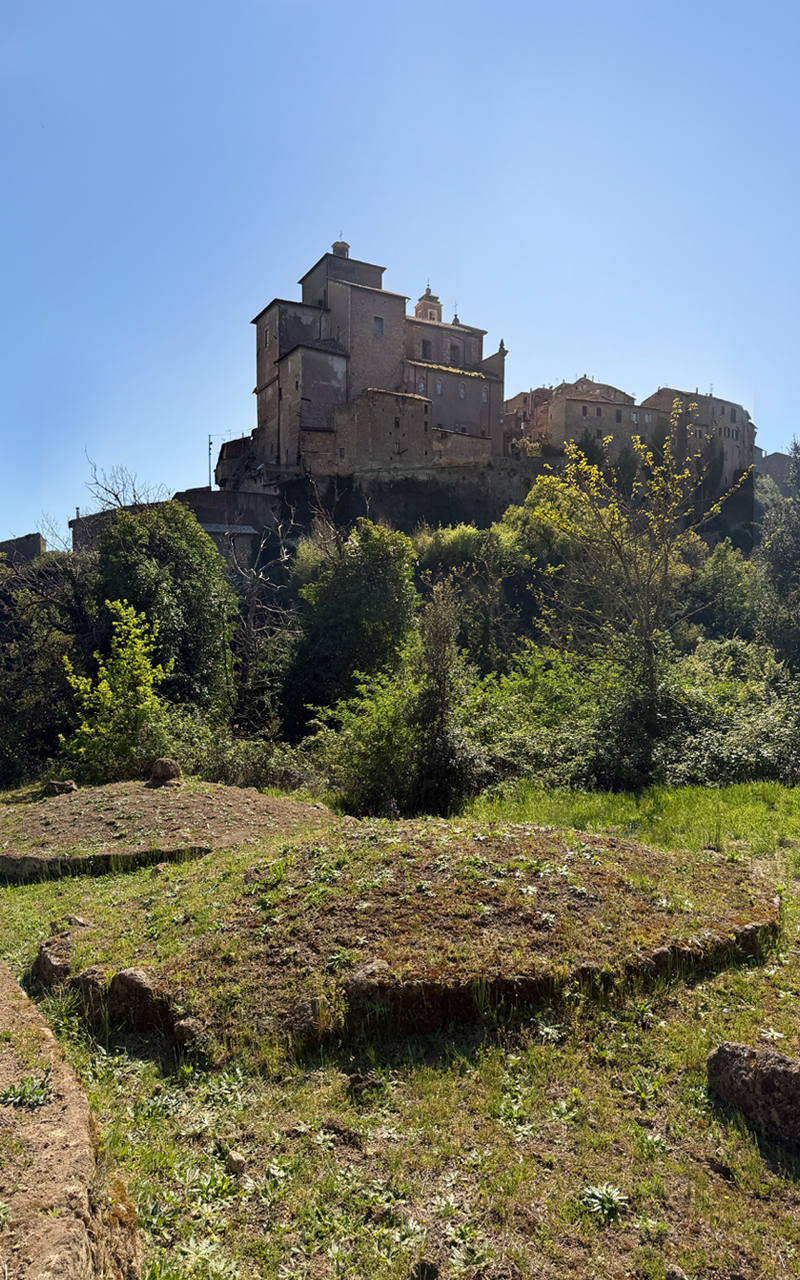
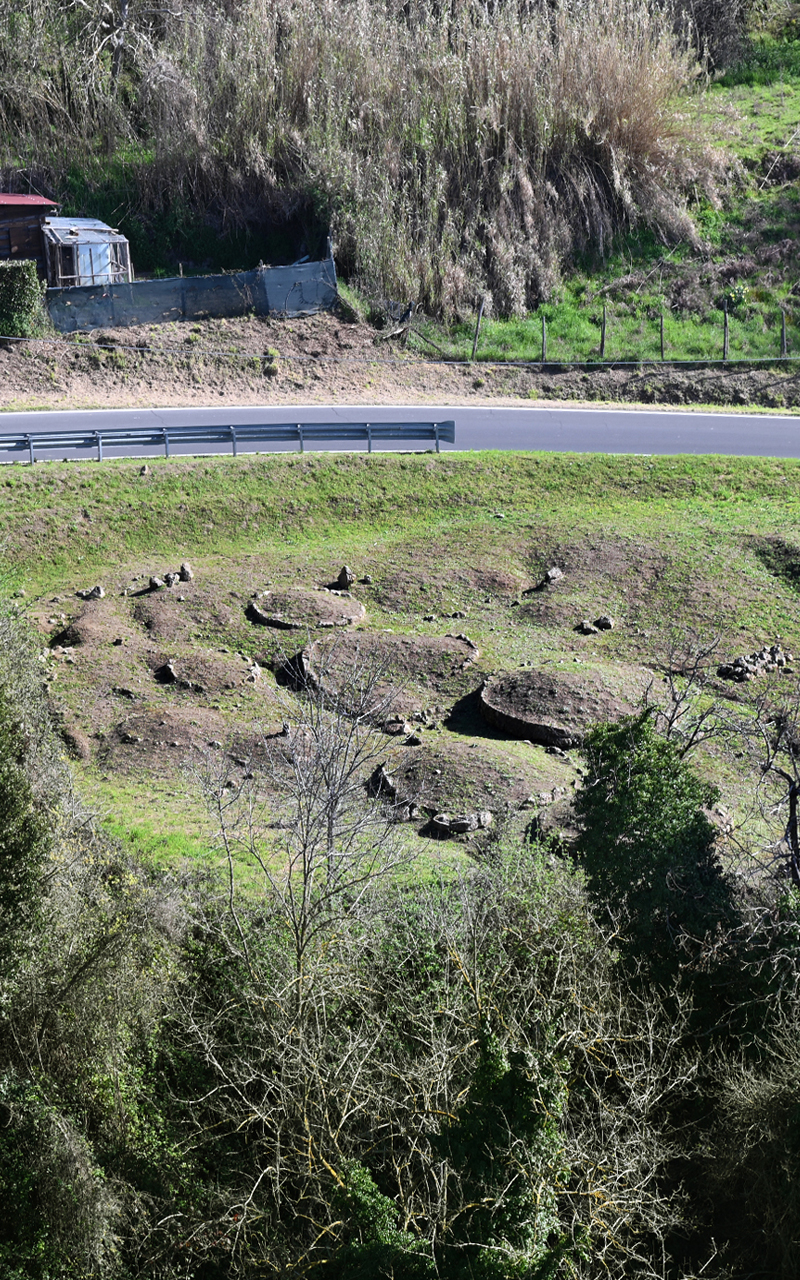
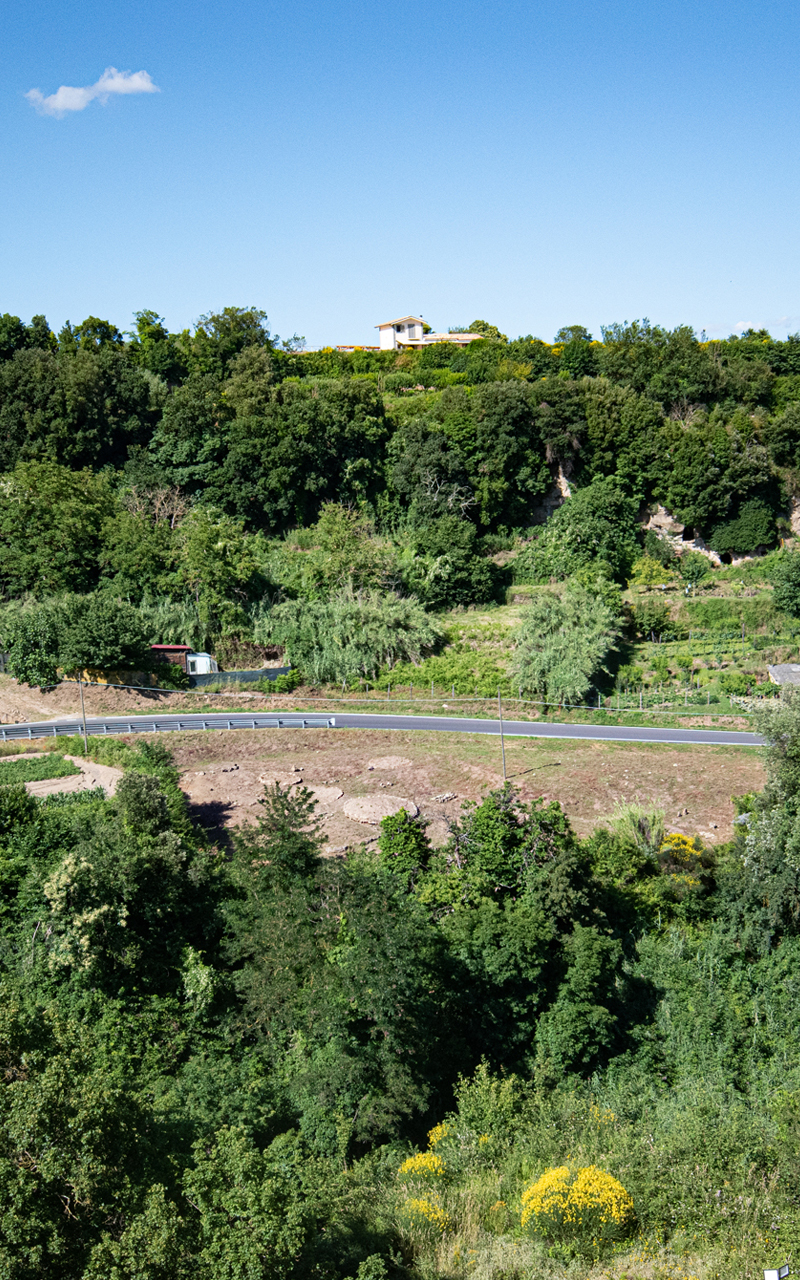
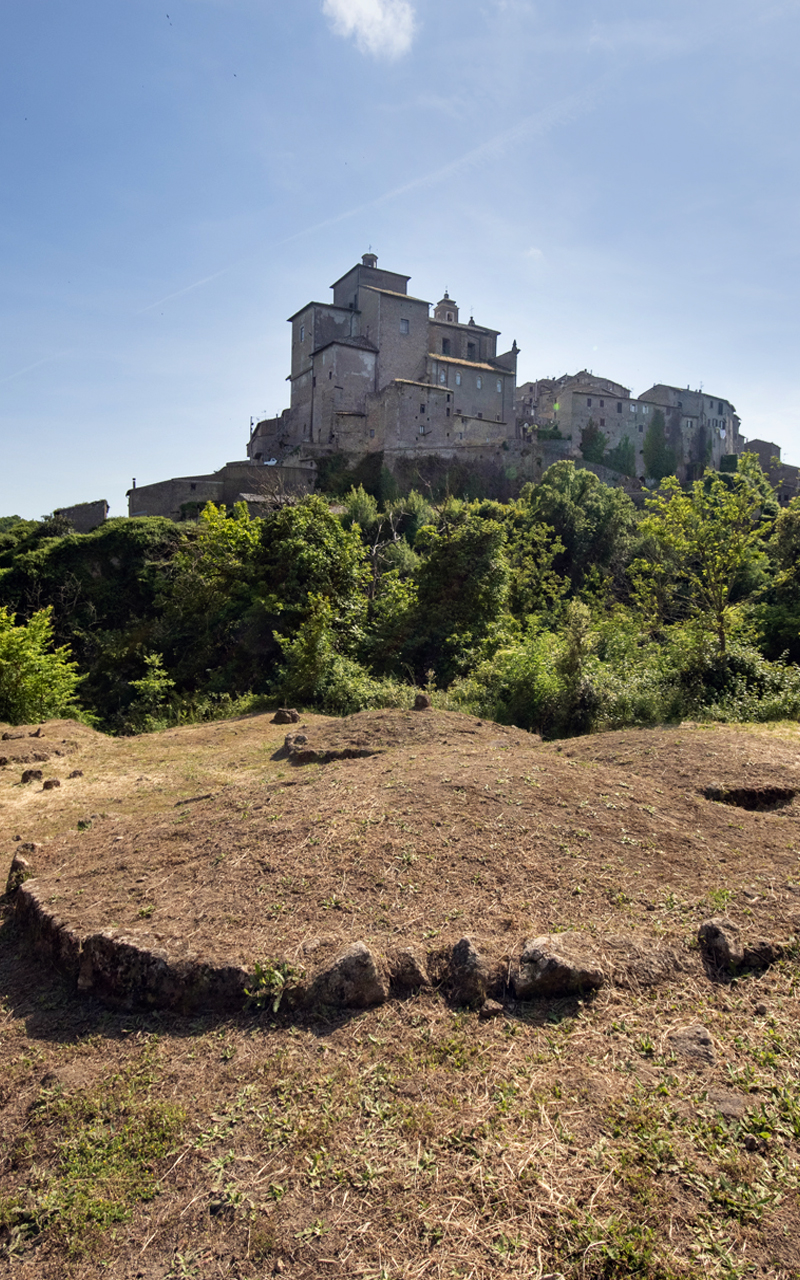
The necropolis of Vigna la Piazza, located on the northern slope of La Civita, preserves the earliest funerary evidence of the Etruscan centre. Originally, the burial area extended without interruption between the Moncello rise and the edge of the plateau overlooking the Fosso Fondo; today it is divided into two sectors by Provincial Road 48, which follows the line of an ancient route. The upper area, characterised by monumental chamber tombs carved into the tuff, is defined as “Sector A”, while the lower area, where circle tombs prevail, is referred to as “Sector B”.
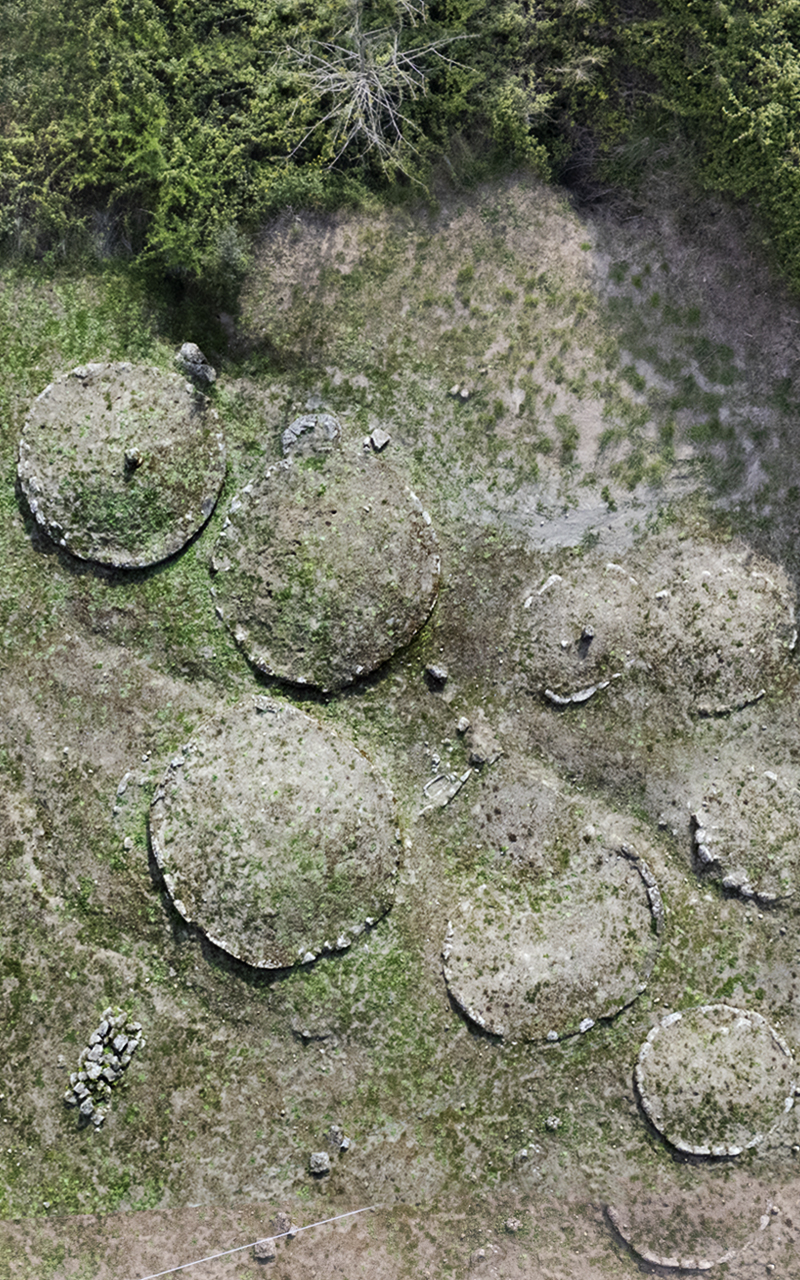
Over the centuries, the burial ground has suffered repeated looting, but it still preserves a remarkable typological variety: circle tombs, chamber tombs, simple earth-cut graves and cist burials, all associated with the rite of inhumation. The earliest tombs, brought to light in “Sector B” from 2011 onwards, date back to the second half of the 8th century BC and document close relations with the leading groups of the Valdilago centres, such as Bisenzio, Civita del Fosso di Arlena and Orvieto.
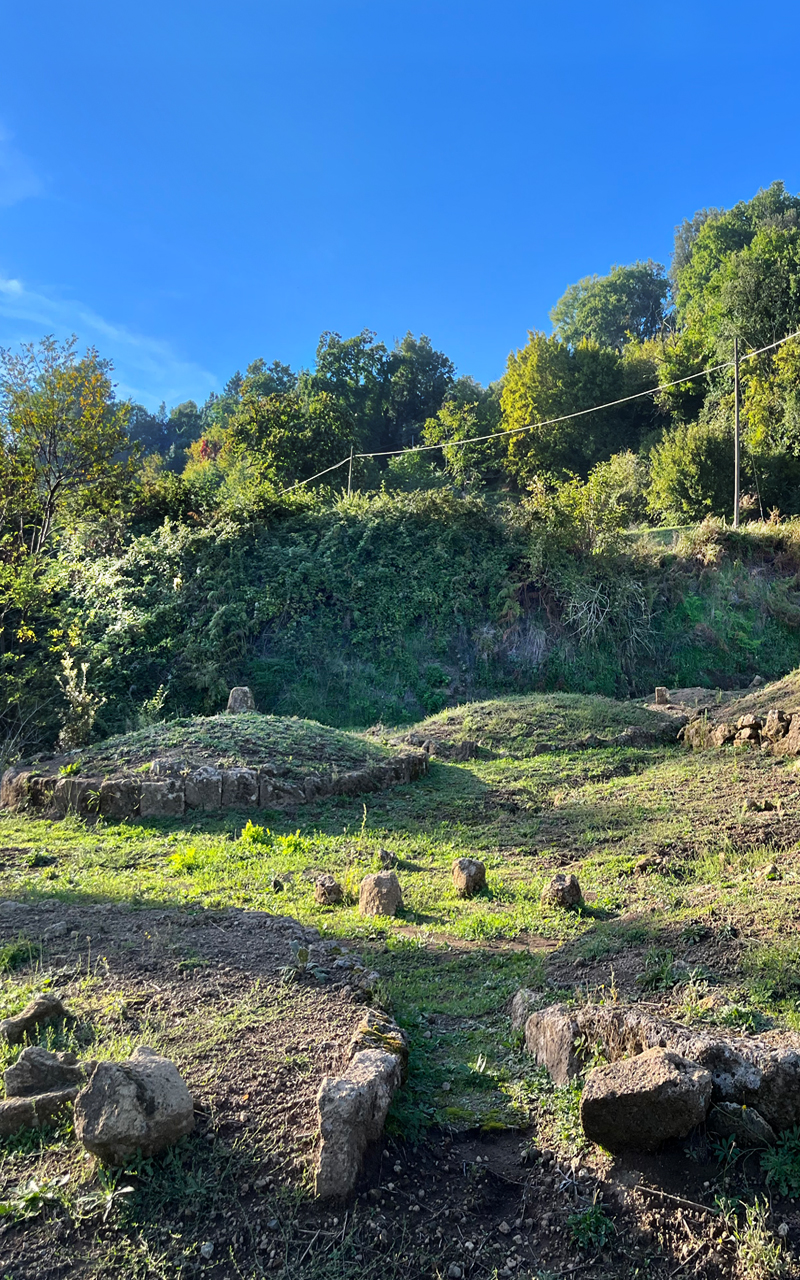
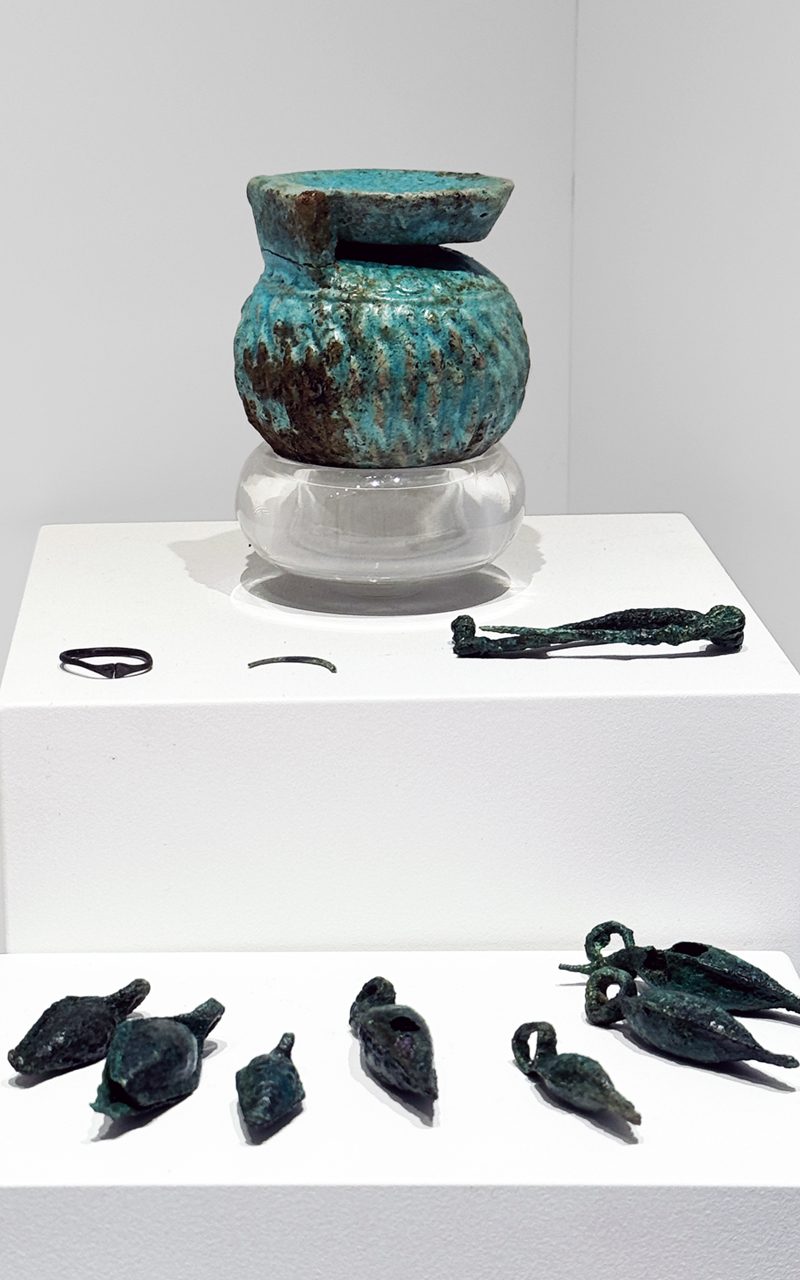
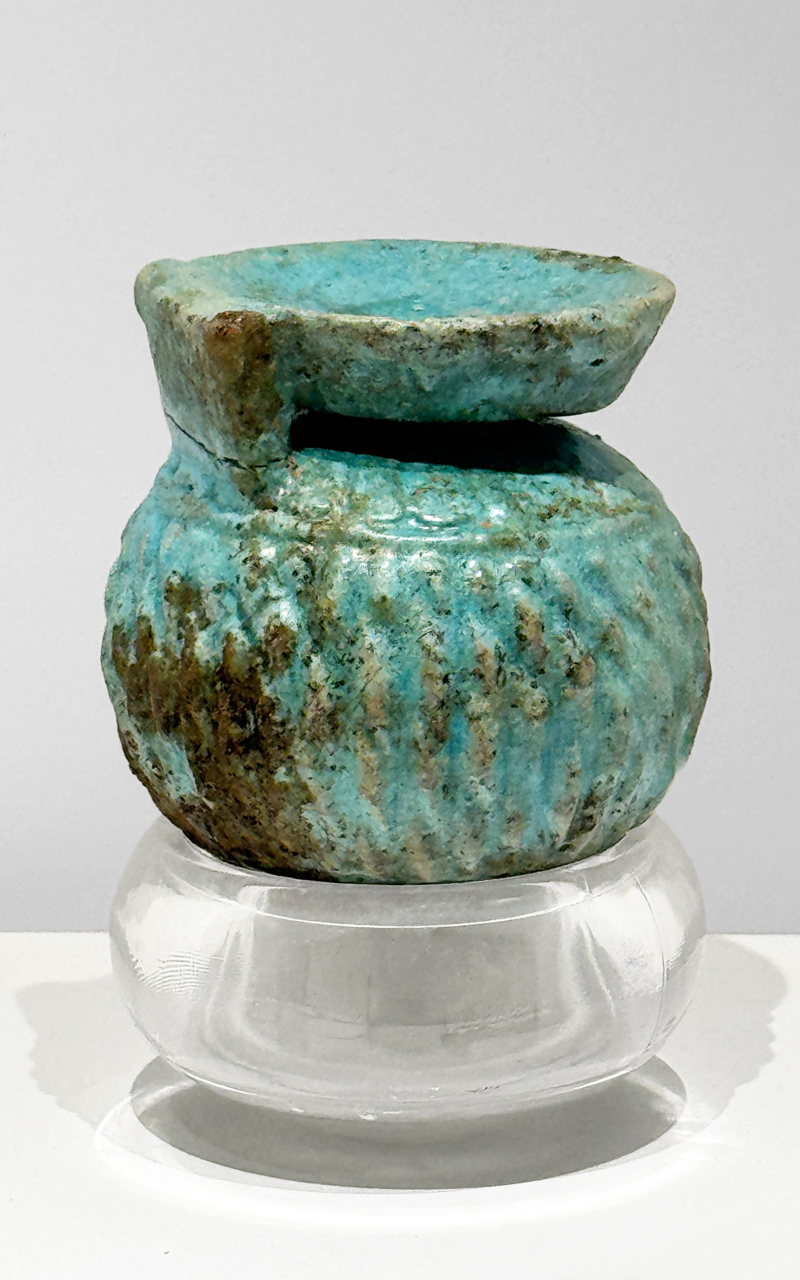
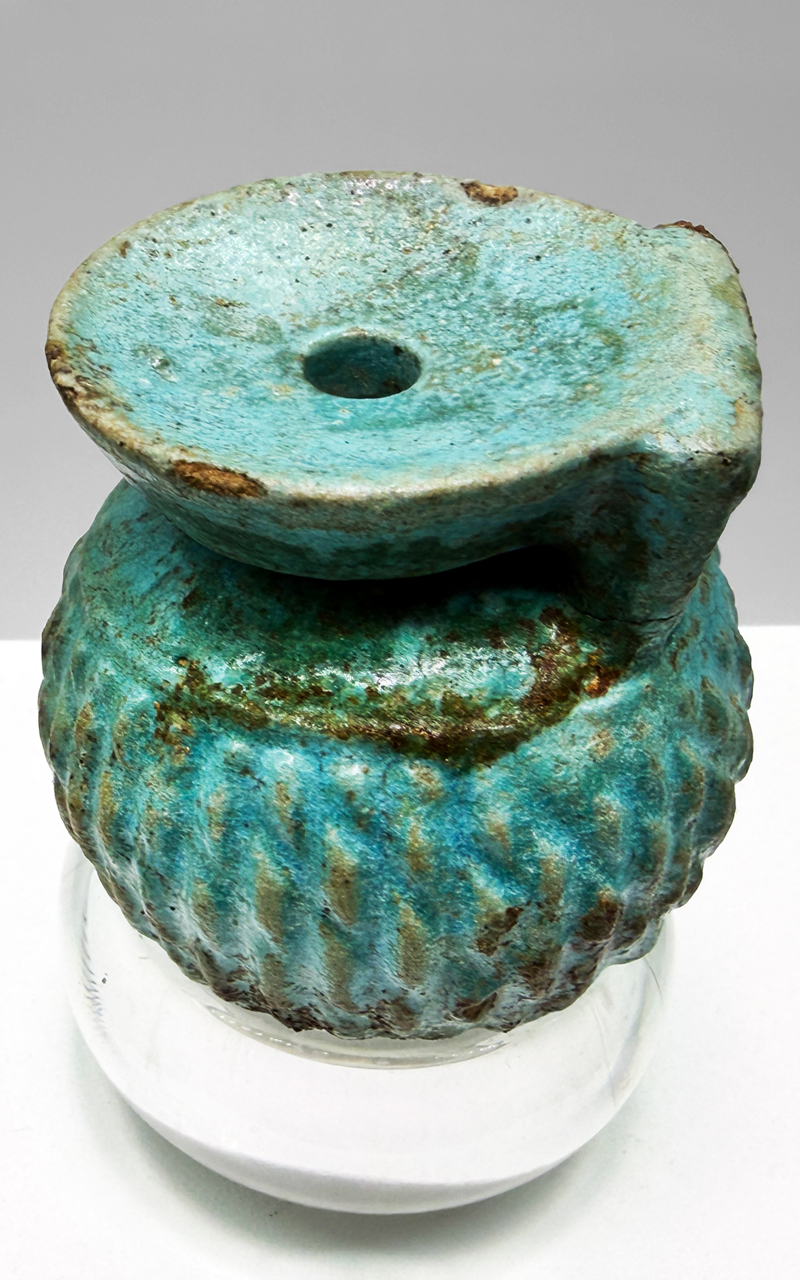
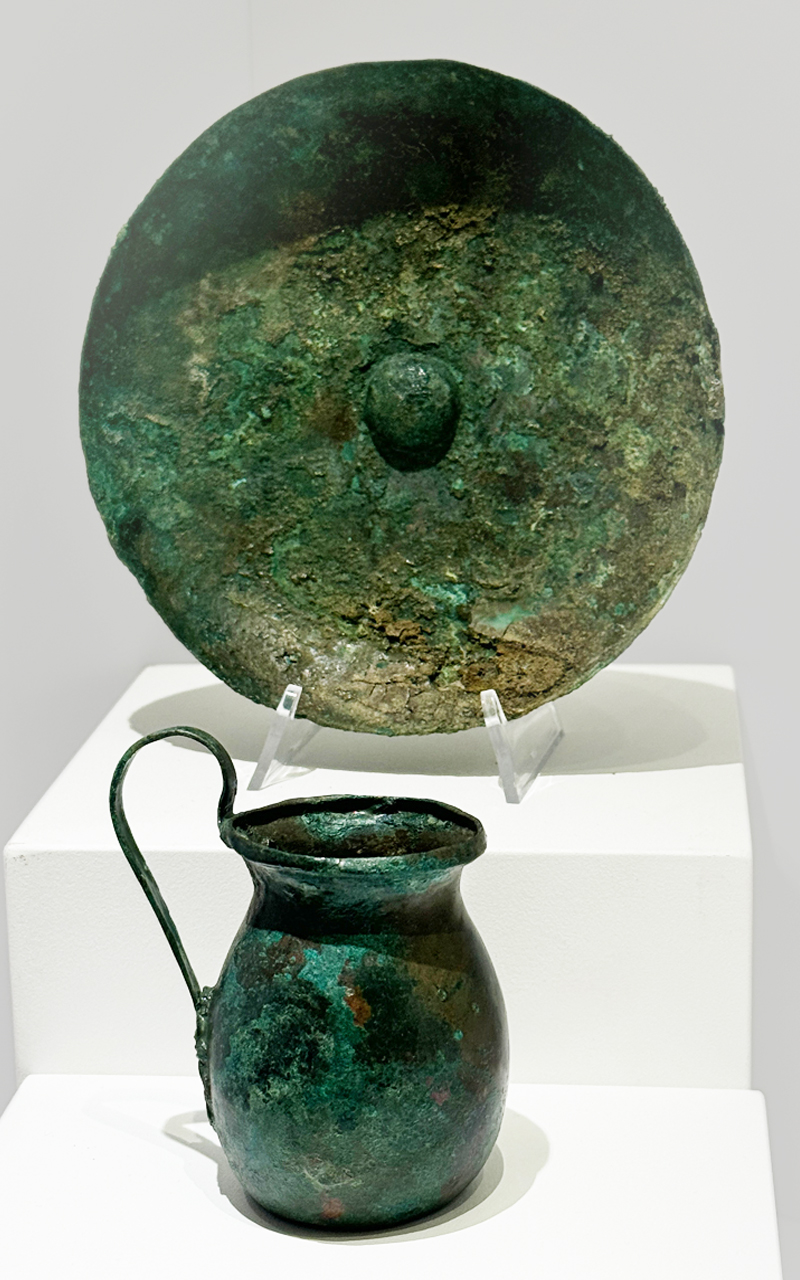
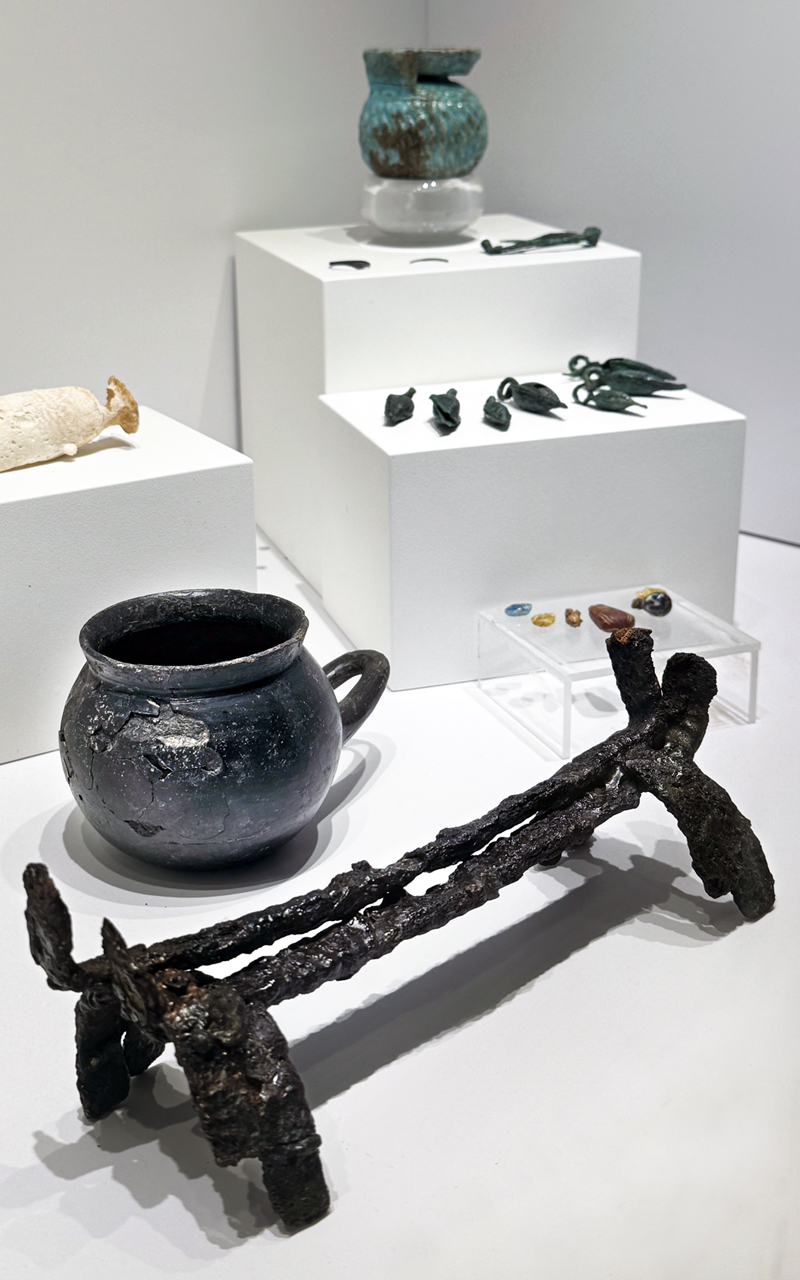
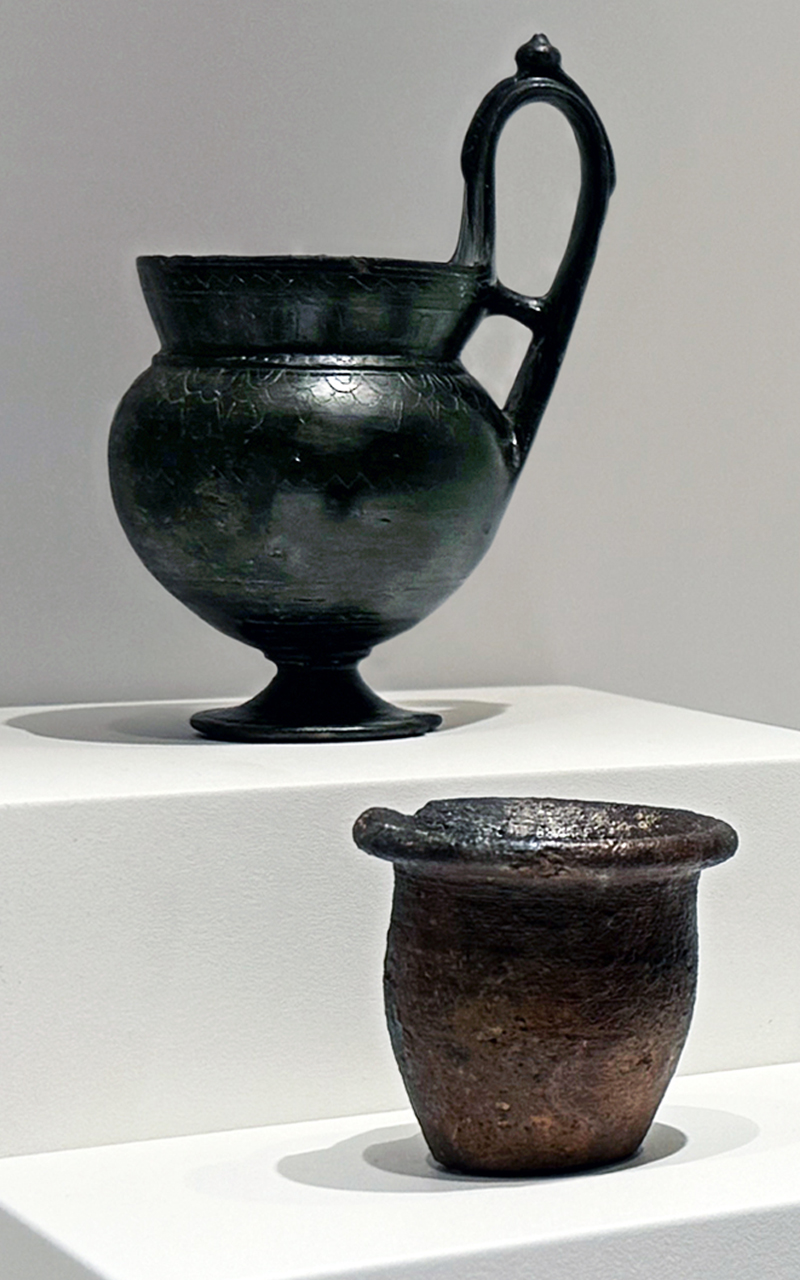
The archaic burials consist of rectangular pits dug into the ground and bordered with flakes of tuff, which formed a slight vaulted covering. The deceased, adorned with personal objects, was laid directly on the ground, on a bed of slabs or inside a wooden sarcophagus; pottery was placed near the head and at the feet, while in male tombs weapons were laid along the sides. At Vigna la Piazza, some of these tombs are delimited by a ring of tuff blocks: the circle tombs, a rare typology in southern Etruria and closer to the “Italic” traditions of Umbria, Abruzzo and central-northern Etruria. These circles, initially formed of roughly shaped blocks, became larger and more regular during the 7th century BC, marking the genealogical continuity of the family groups that used them.
Around the mid-7th century BC, the first chamber tombs carved into the tuff appeared in “Sector A”. They were organised into several rooms and preceded by a long dromos leading to an underground corridor and the central atrium. These structures, intended to receive several members of the same family group, represent the most widespread type in Archaic Etruria. Tomb VLP31 is a significant example of this phase.
Today we know that in “Sector A” chamber tombs are attested from the second half of the 7th century BC to the beginning of the 5th century BC, while in “Sector B”, throughout the 6th century BC, the tradition of circle tombs continued, with rituals comparable to those of Bisenzio.
The necropolis of Vigna la Piazza thus offers an extraordinarily rich and layered image of the Etruscan community of La Civita, from its origins in the 8th century BC to the full Archaic period, showing the evolution of funerary forms and the persistence of deeply rooted identity traditions.