The male and female worlds
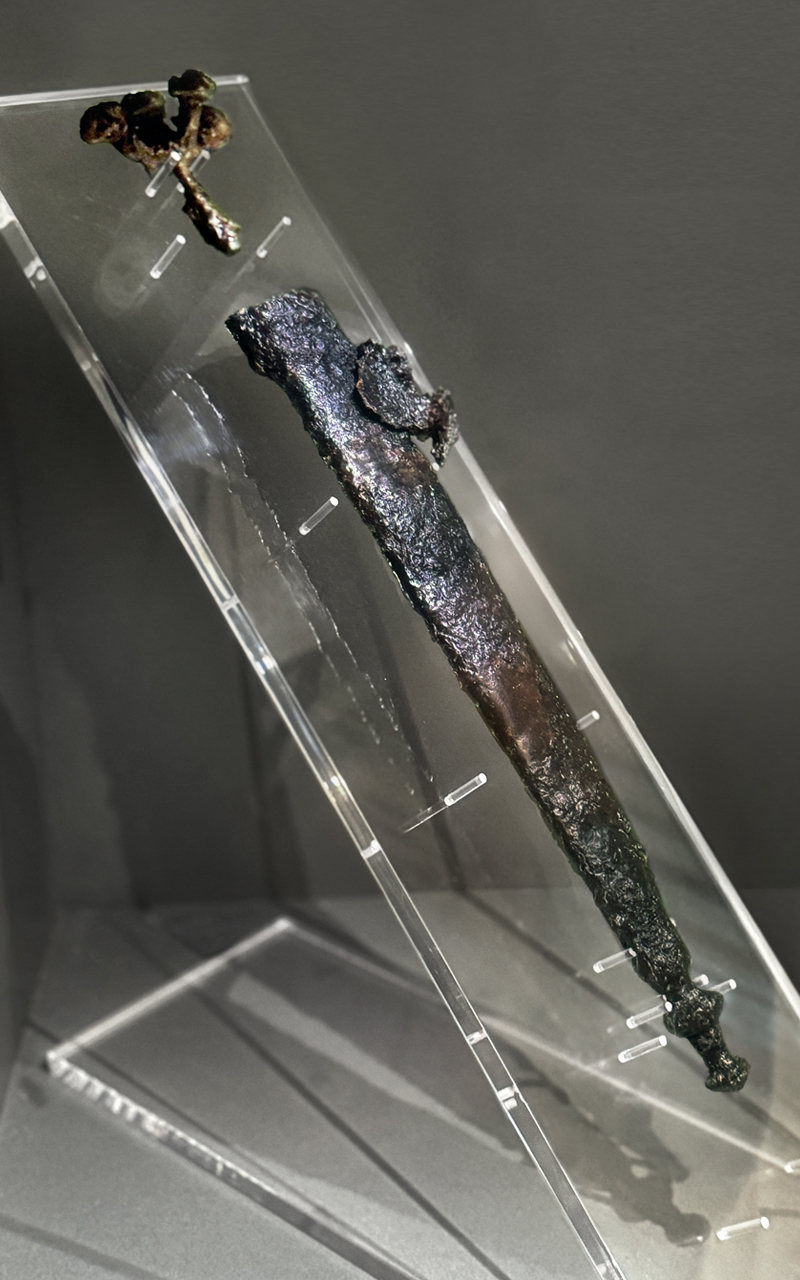
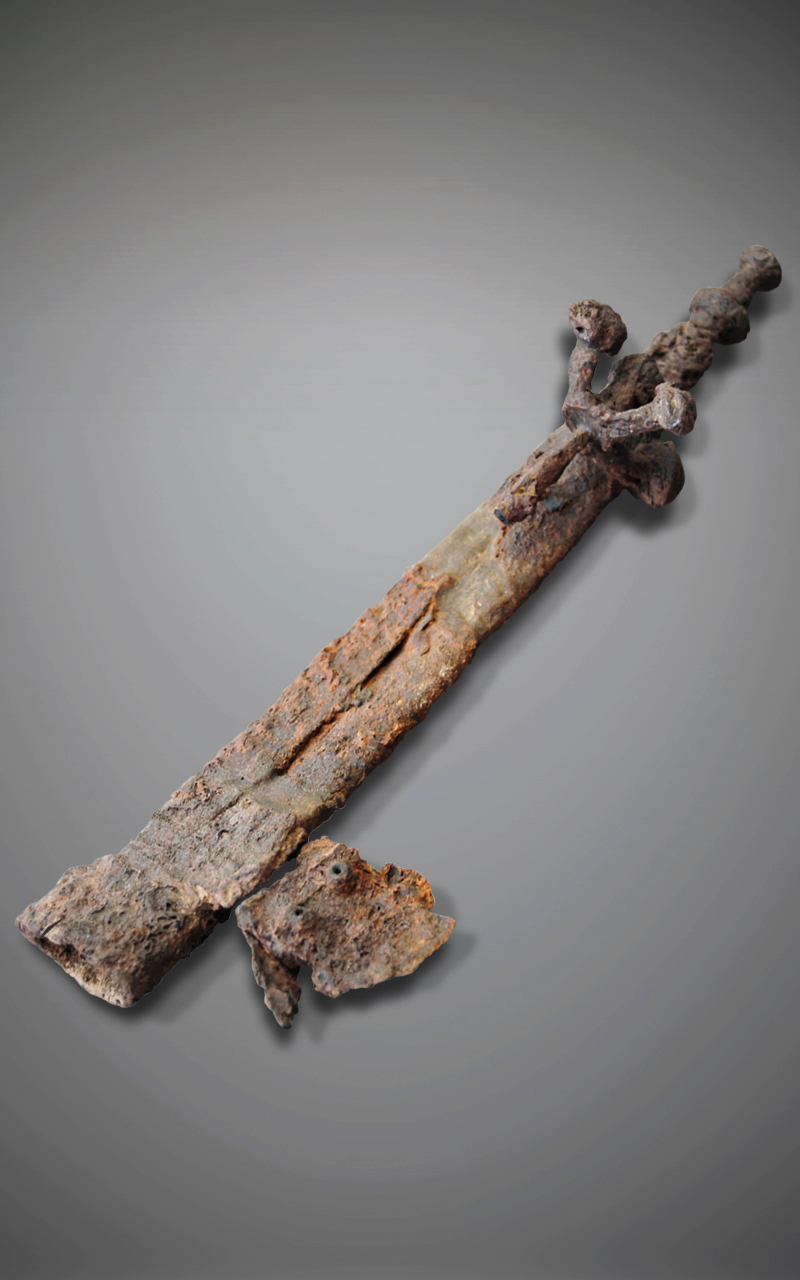
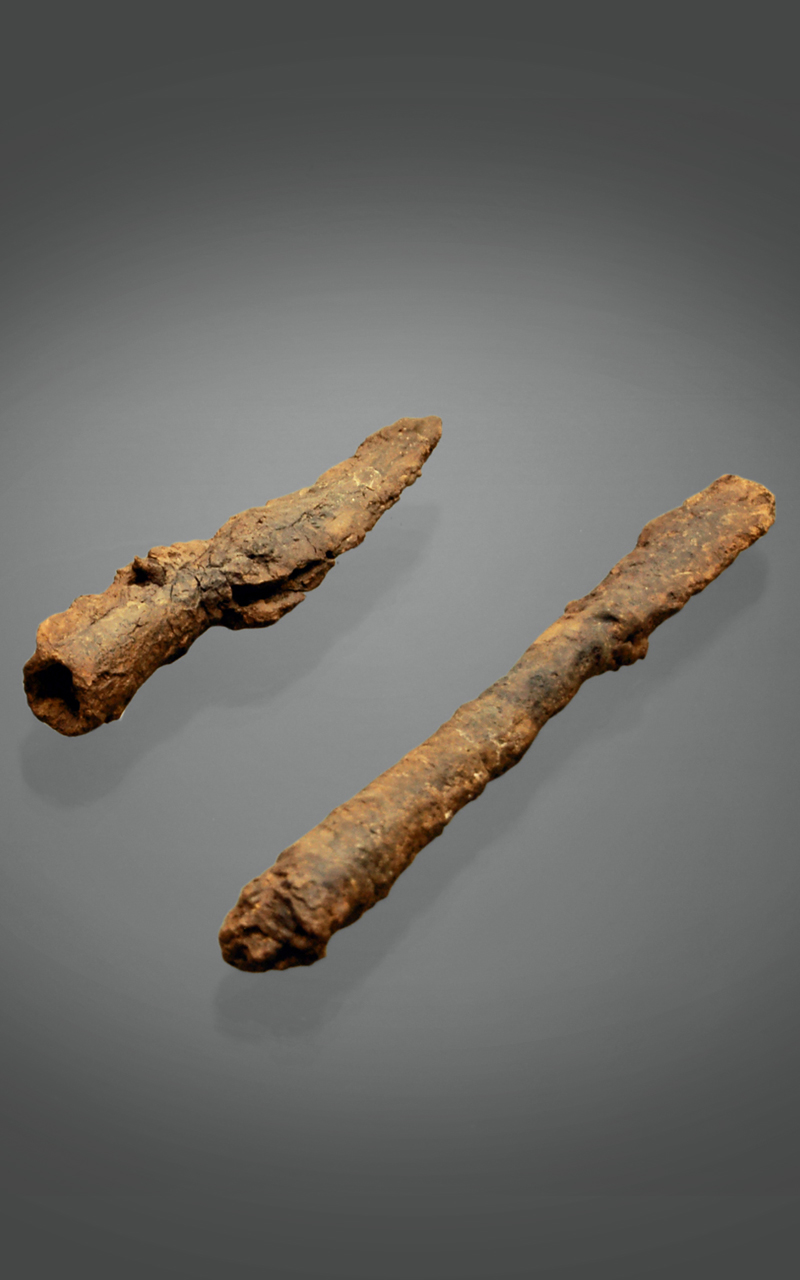
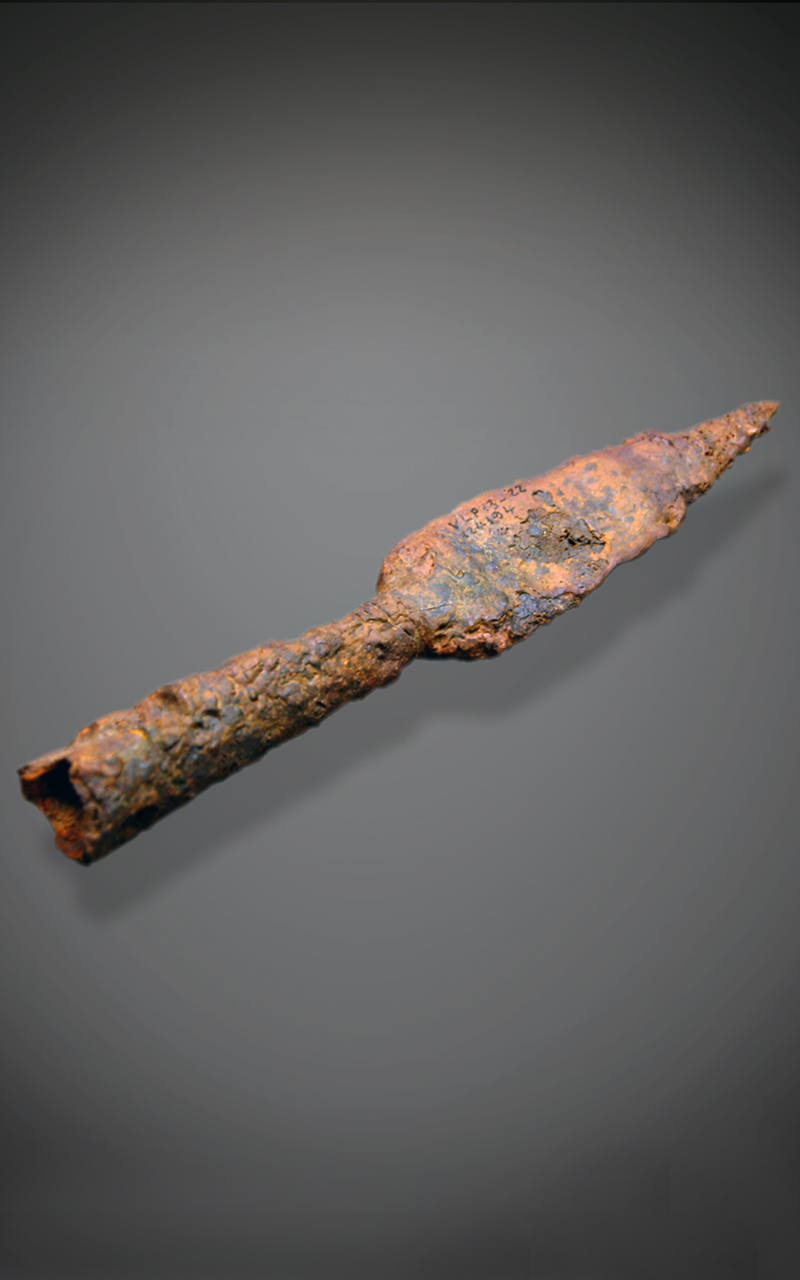
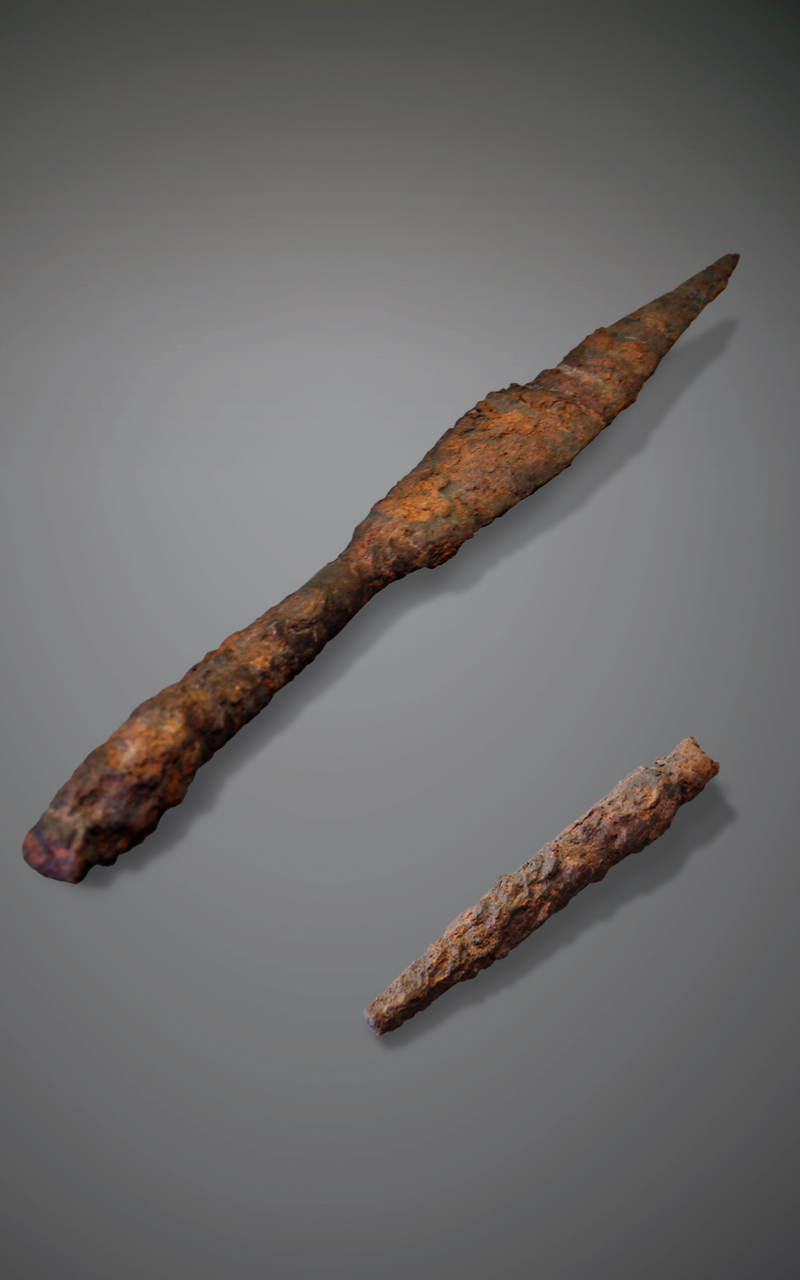
From the earliest phases of Etruscan history, the grave goods of male tombs emphasise the role of the warrior through the deposition of weapons. Among the activities reserved for men, warfare was the most important because of its profound social implications. As the finds from the necropolises of Grotte di Castro show, these were mostly iron throwing weapons, such as spearheads and javelin heads with their corresponding butt-spikes, alongside axes and rare cutting weapons such as swords and daggers. Bronze defensive weapons, such as helmets, shields and greaves, were instead exclusive to the highest social classes and have not so far been documented in the territory.
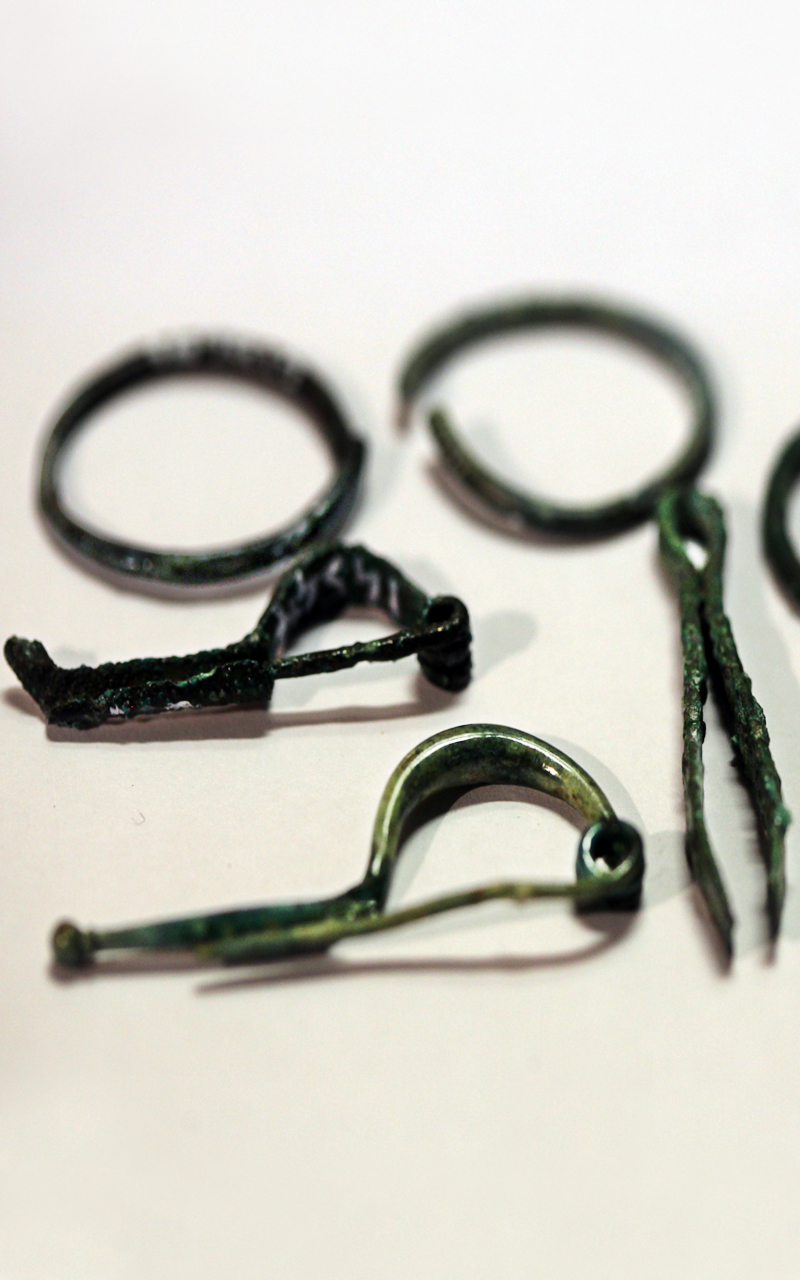
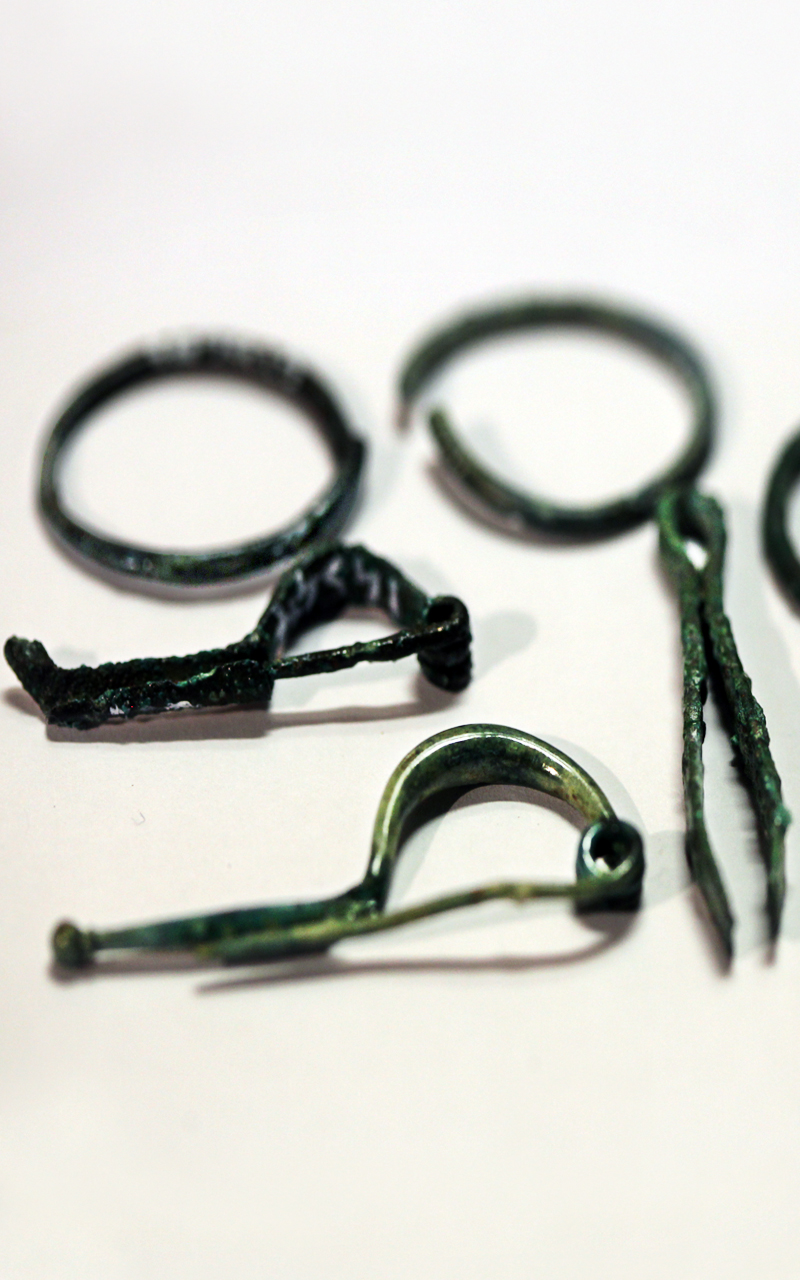
Male identity was also clearly expressed through clothing and ornaments, symbols of civic prestige. The main garment was the short tunic, over which members of the aristocracy wore the tebennos, a brightly coloured semicircular cloak fastened with metal fibulae. On their feet they wore sturdy sandals or the typical boots with upturned toes, the calcei repandi. Headgear played an important role in defining a man’s rank or authority: it ranged from the characteristic broad-brimmed hat, used for travel and outdoor work, to more rigid conical head coverings that indicated a public or religious function. Jewellery completed the costume, including rings with engraved bezels used as personal seals.
Closely connected with male values was hunting, conceived as a celebration of courage. While the hunting of large mammals, such as wild boar and deer, was an aristocratic privilege, the hunting of small animals was also practised by the less wealthy classes as a supplement to their diet. Linked to hunting was the ritual banquet, during which roasted meat was consumed, a practice documented by the long iron spits found in many burials at Grotte di Castro. The male world also included working the land and managing the household: although agriculture is rarely depicted because it was carried out by the humbler classes, daily life in the house and courtyard required the use of practical tools, such as sticks with leather straps, belts, large knives, ropes and hatchets, which reveal the more concrete and laborious dimension of Etruscan male life.
Turning to the female world, in Etruscan society women from aristocratic families held a very particular role, enjoying an autonomy and social consideration profoundly different from those granted to women in Greece and Rome. The Etruscan matron actively took part, alongside her husband, in all the key moments of communal and public life, above all the banquet. Figurative evidence from the period shows her reclining on the banquet couch, the kline, beside her spouse, participating in conversation and games.
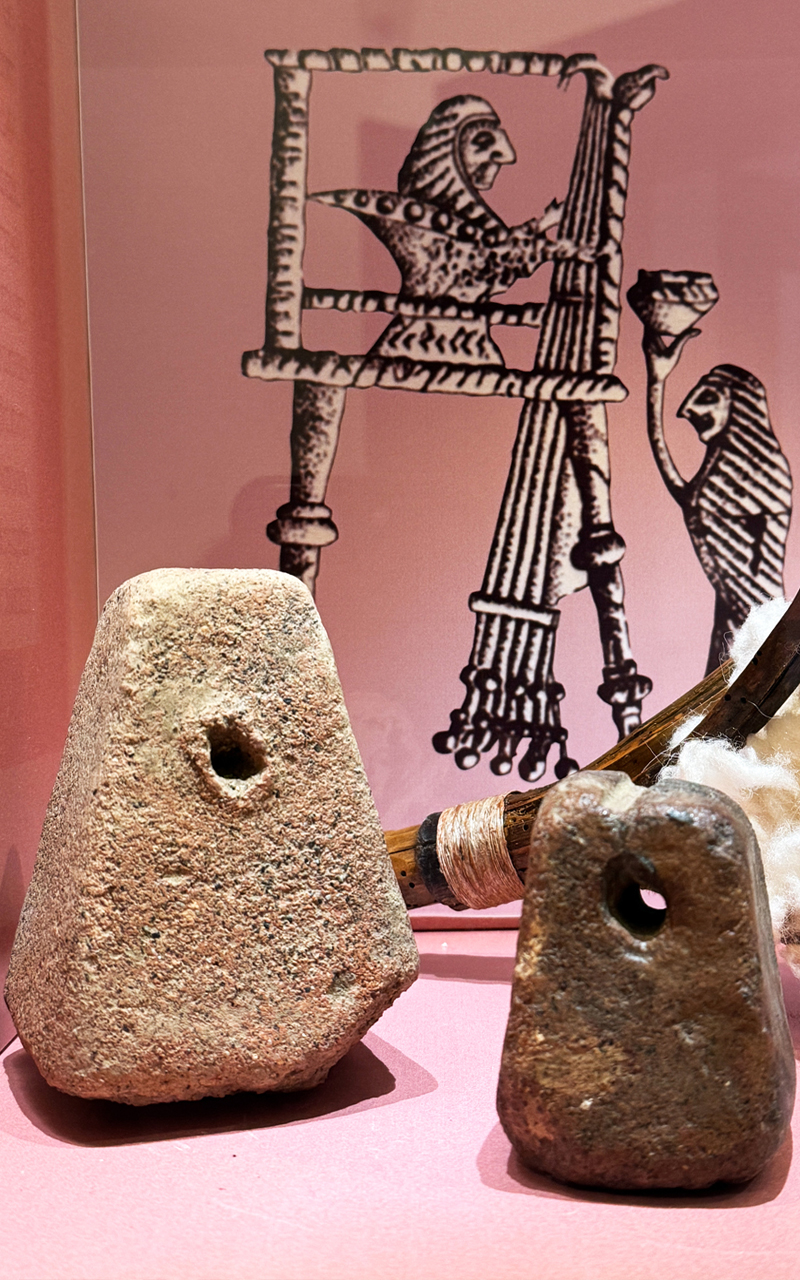
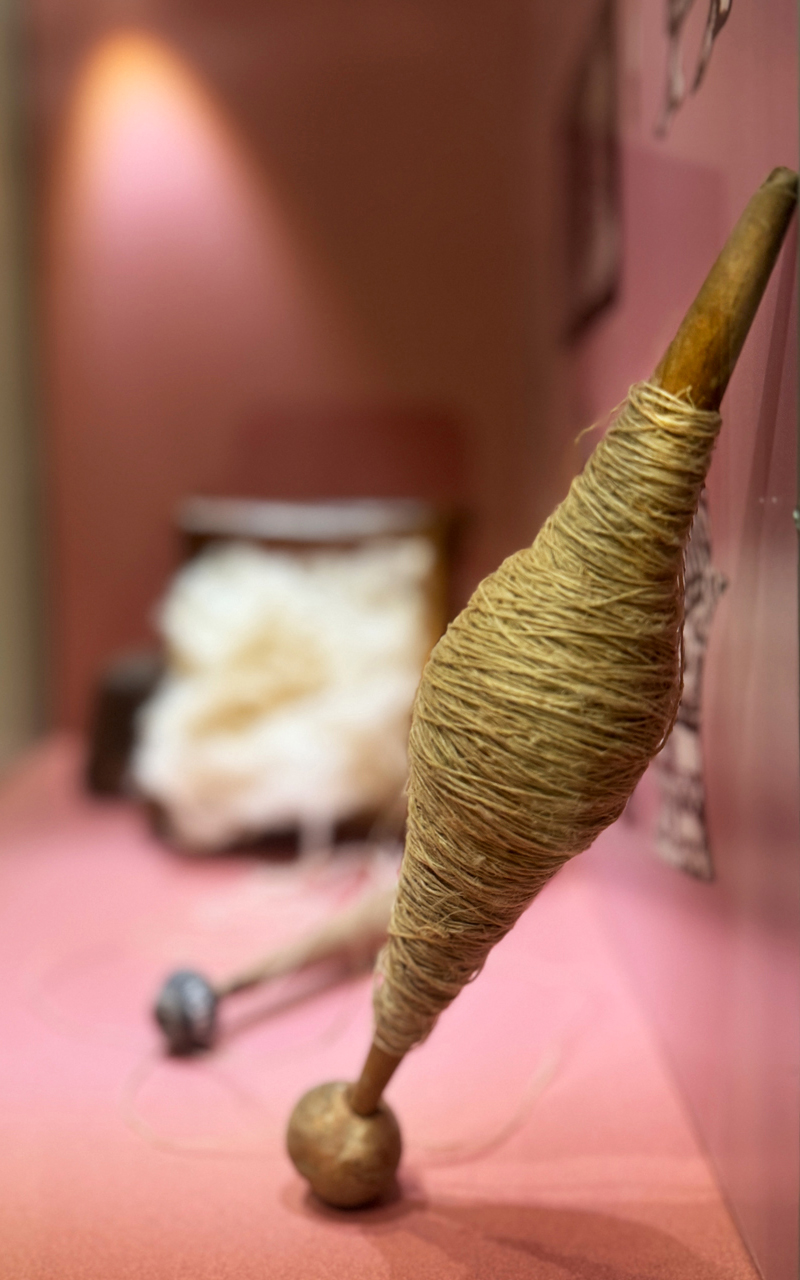
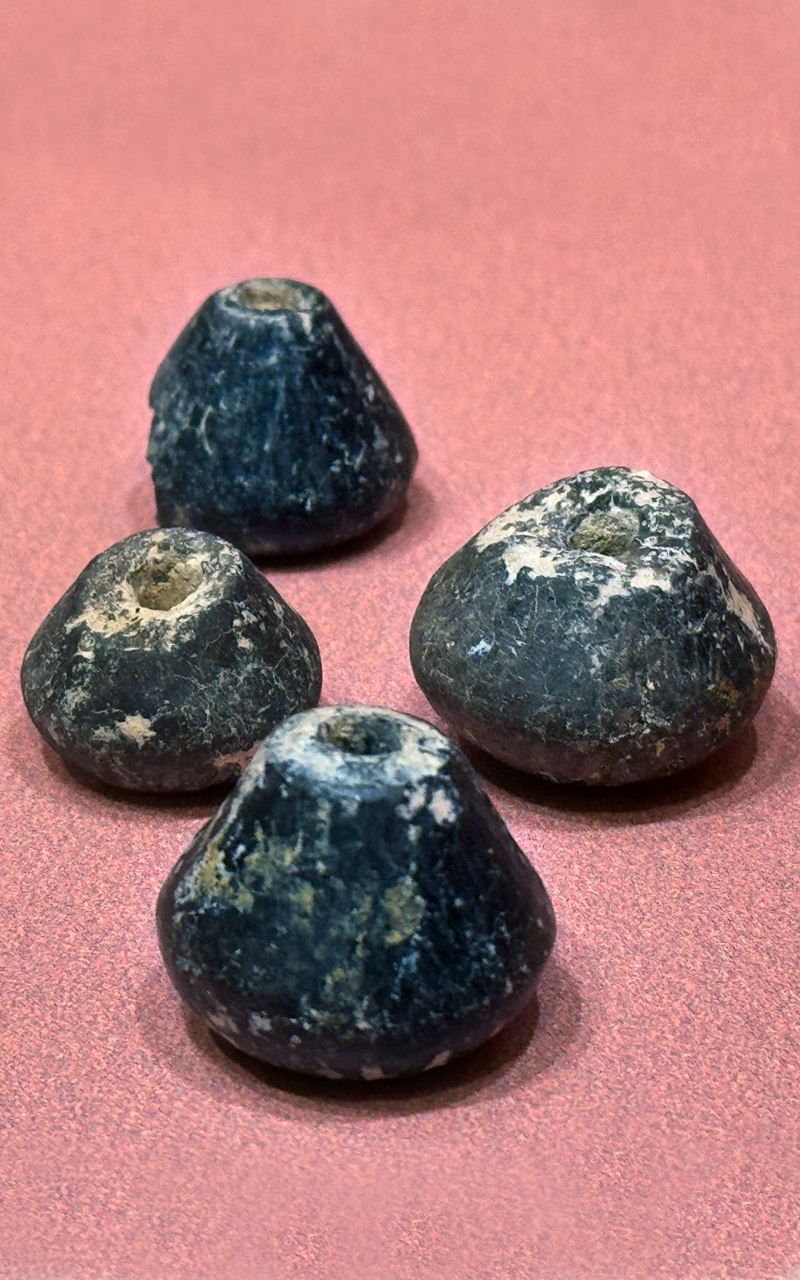
Despite this extraordinary public freedom, within the domestic sphere the main occupations, common to all social classes, remained those linked to tradition. The role of mother, guarantor of the continuity of the family and the community, was accompanied by the general management and care of the household. Within this framework, wool spinning and weaving took on not only practical importance but also a strongly symbolic value, as documented by the spools, spindles and spindle whorls found among grave goods.
The high social level and prestige of Etruscan women were also powerfully expressed through the display of the body, luxuriously clothed and adorned. Female fashion, which evolved over time, favoured in the Archaic period long decorated tunics, or chitons, combined with heavy coloured cloaks, often fastened at the shoulders with metal fibulae. On their feet they wore the characteristic calcei repandi, shoes with elegantly upturned toes. Over the centuries, and with the advent of the Hellenistic period, garments became lighter, more fluid and lower-cut, made of linen or velvet and drawn in beneath the breasts with precious belts.
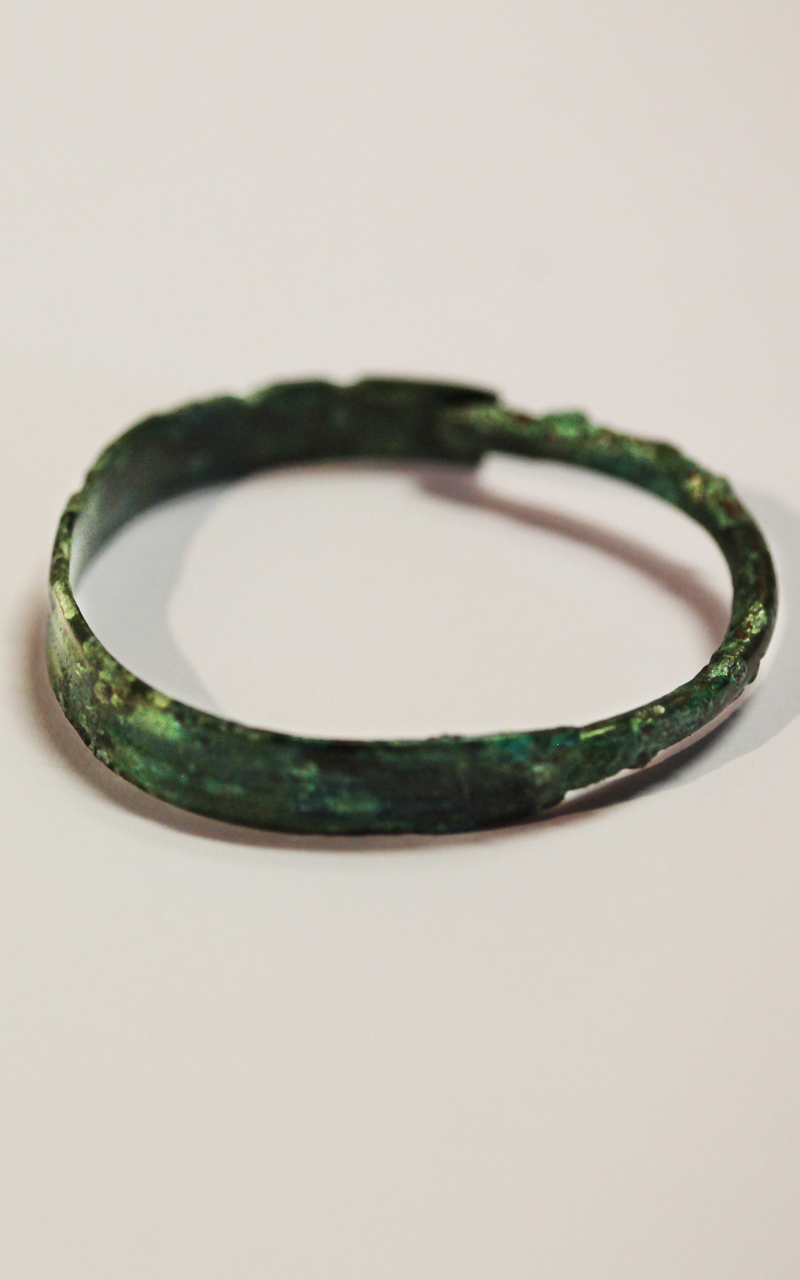
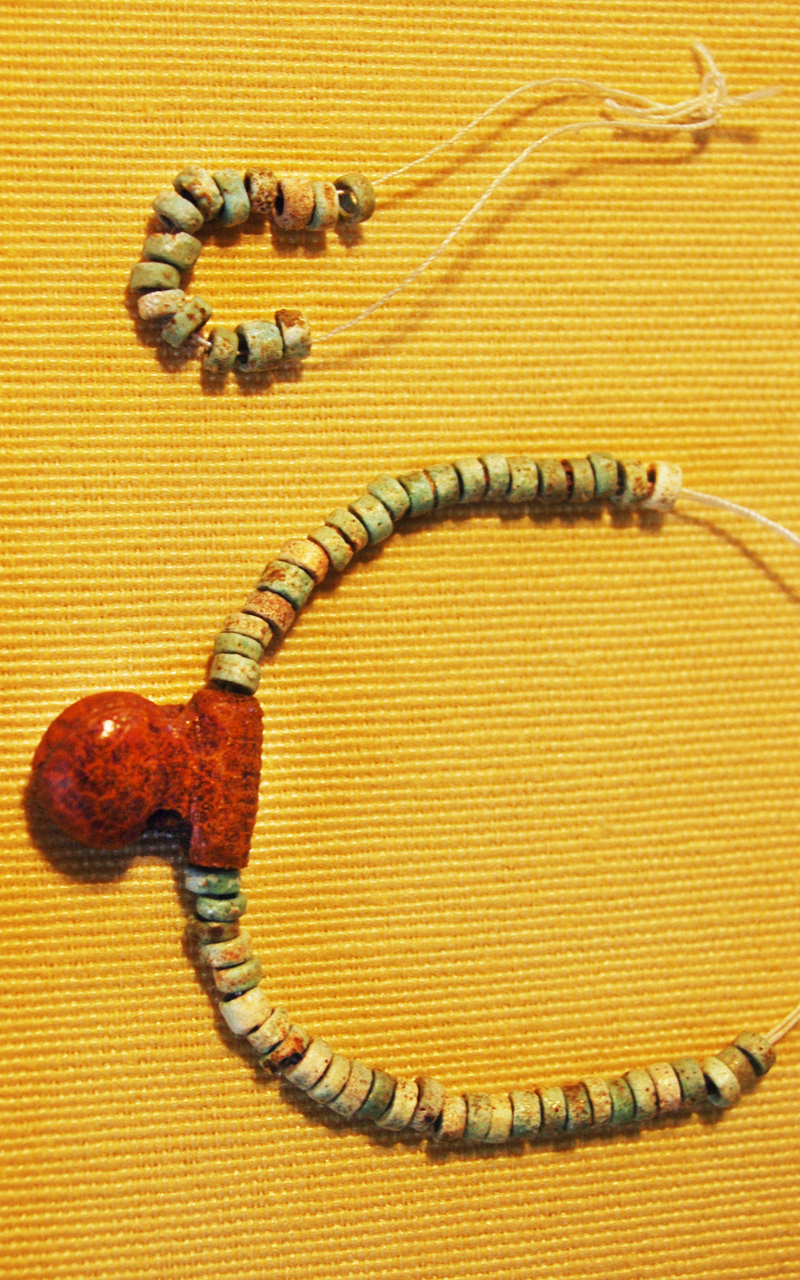
Jewellery represented a true status symbol and a demonstration of the extraordinary skill of Etruscan goldsmiths. Elite women loved to adorn themselves with striking box-shaped or disc earrings, heavy necklaces in gold, glass paste and amber, and finely engraved rings. In the female burials of Grotte di Castro, these precious ornaments bear witness not only to the wealth of the deceased woman, but also to the ritual value of the grave goods, intended to preserve her social identity in the afterlife.
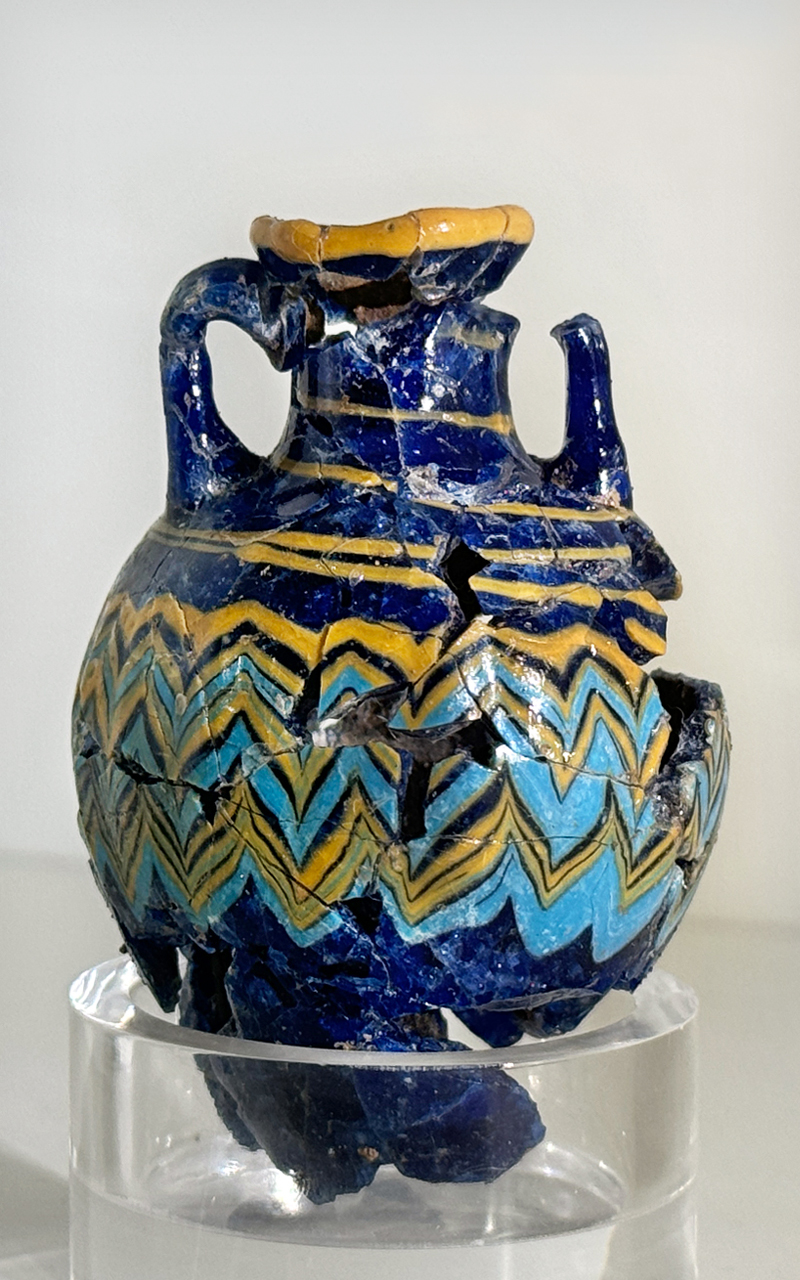
Equally meticulous attention was devoted to hairstyles and body care. Etruscan hairstyles were famous for their complexity: in the Archaic period, the hair was parted into long, rigid braids falling over the chest or back, or gathered at the nape beneath the typical cap-like headdress known as the tutulus. Later, under the influence of Greek fashion, soft curls framing the face and hairstyles gathered with ribbons and diadems became widespread. This deep interest in cosmetics and aesthetics is widely documented by the frequent toilette scenes depicted on bronze mirrors, but above all by the finds recovered from tombs, such as the numerous vessels for scented oils and ointments, aryballoi and alabastra, and the celebrated cistae, cylindrical bronze boxes in which the secrets of female beauty were kept. Among the objects connected with everyday personal care, the museum display cases offer an extraordinarily intimate and modern testimony: the bronze depilatory tweezers found in the necropolis of Centocamere, the sign of a refined elegance that has endured through the centuries.