According to what Greek and Latin writers have handed down, at the top of Etruscan society, as in other areas of the Mediterranean, stood a restricted circle of families who possessed great wealth and held absolute control over political offices. A multitude of individuals, both “free” and enslaved, worked on their behalf, but alongside this humbler class there also existed an intermediate social group of artisans and merchants.
Among the tombs and grave goods of the necropolises of Grotte di Castro, monumental burial hypogea belonging to the wealthiest families are attested. Here, in the forms proper to funerary worship, the ideological expressions of power were displayed: ostentation of splendour, luxury consumption and the rituality of the banquet, as well as commemorations of the founders of the noble family, the gens, with processions, dances and athletic contests.
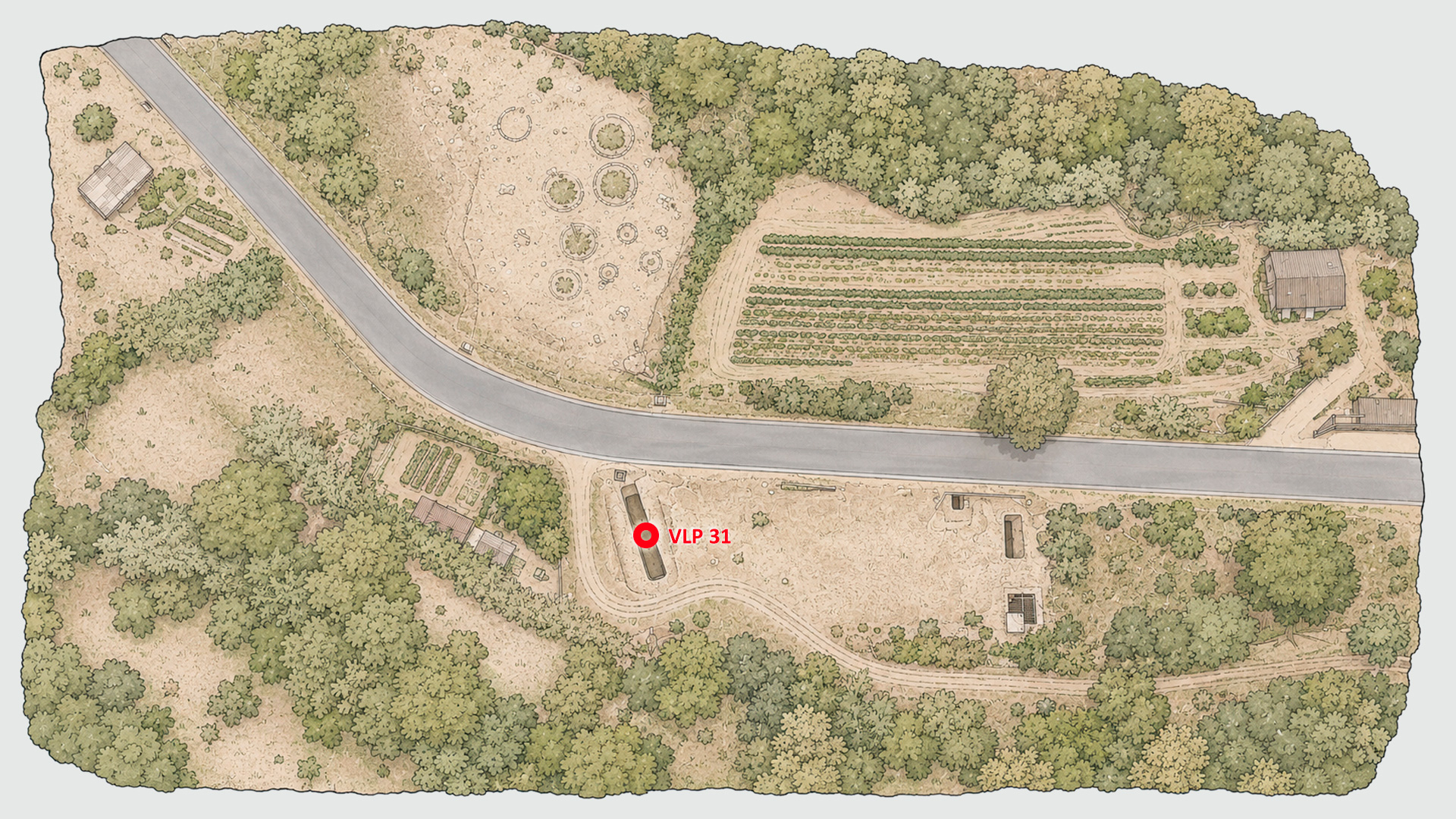
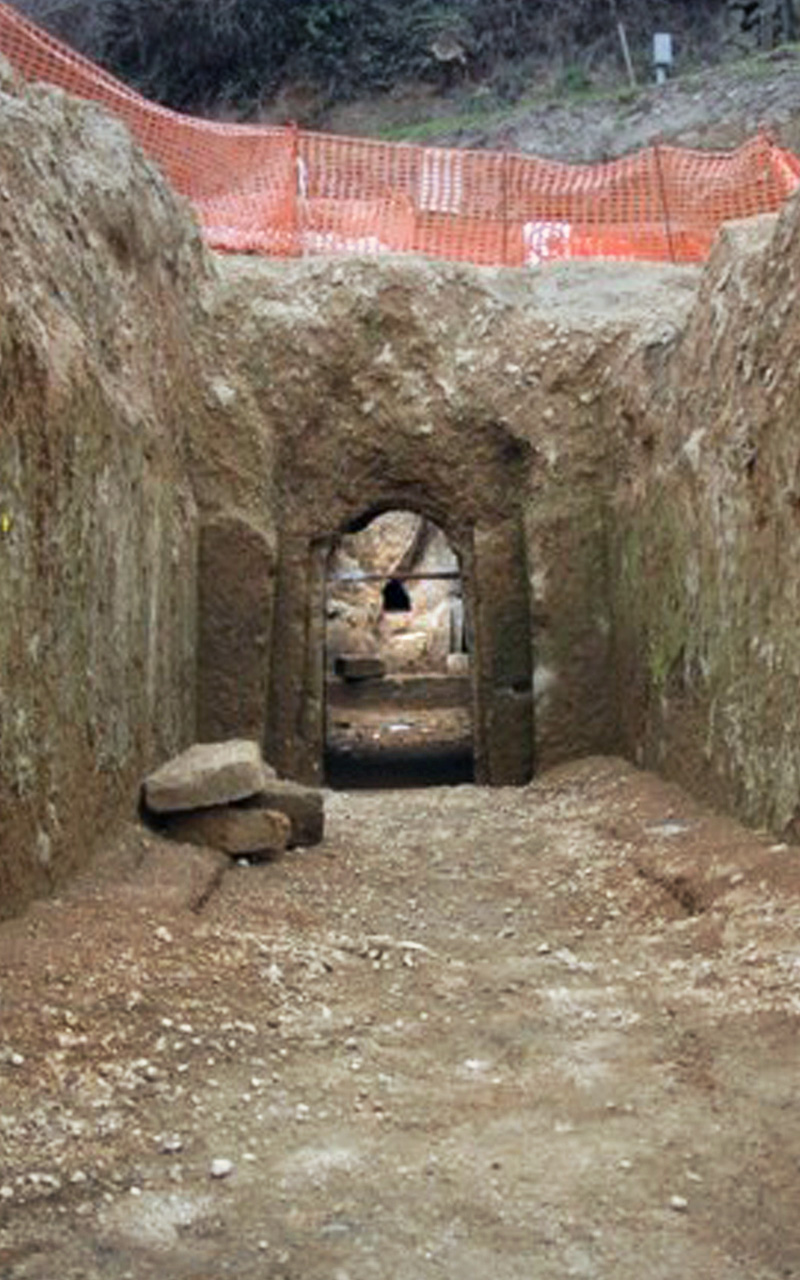
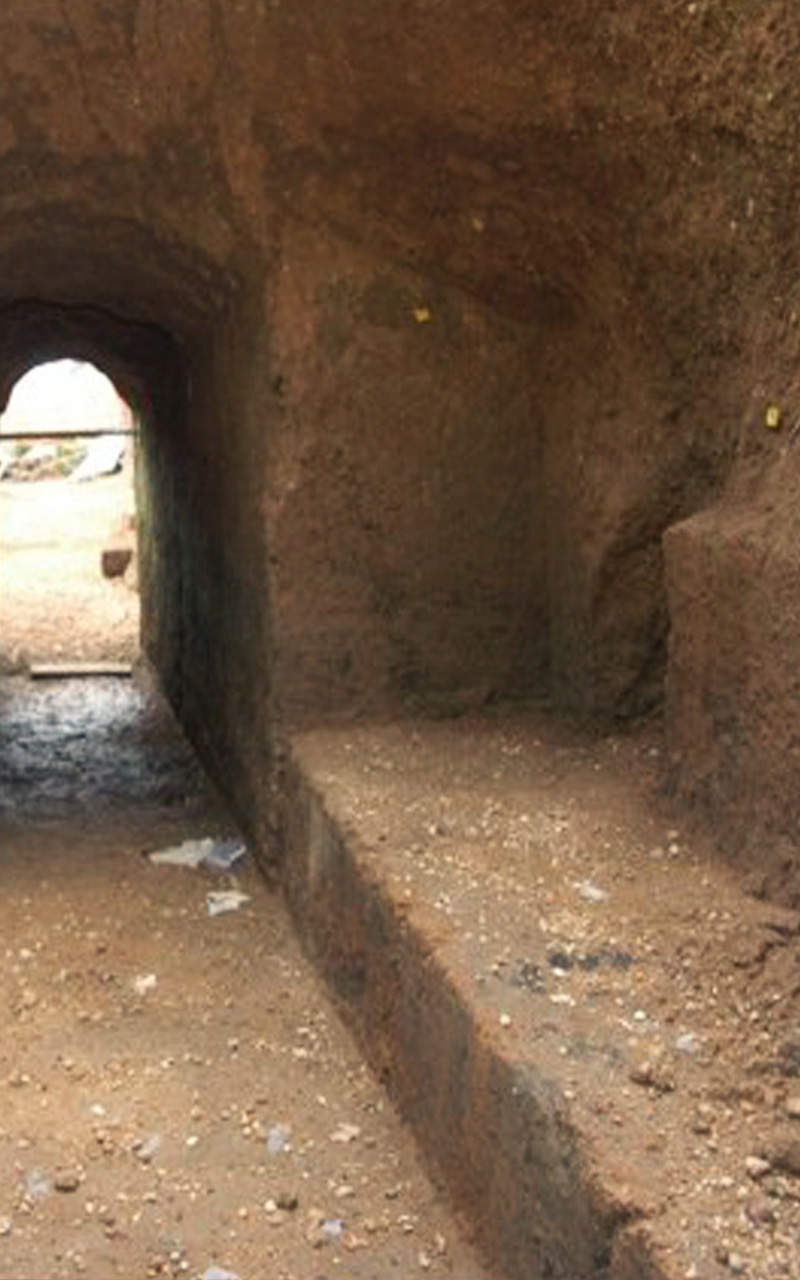
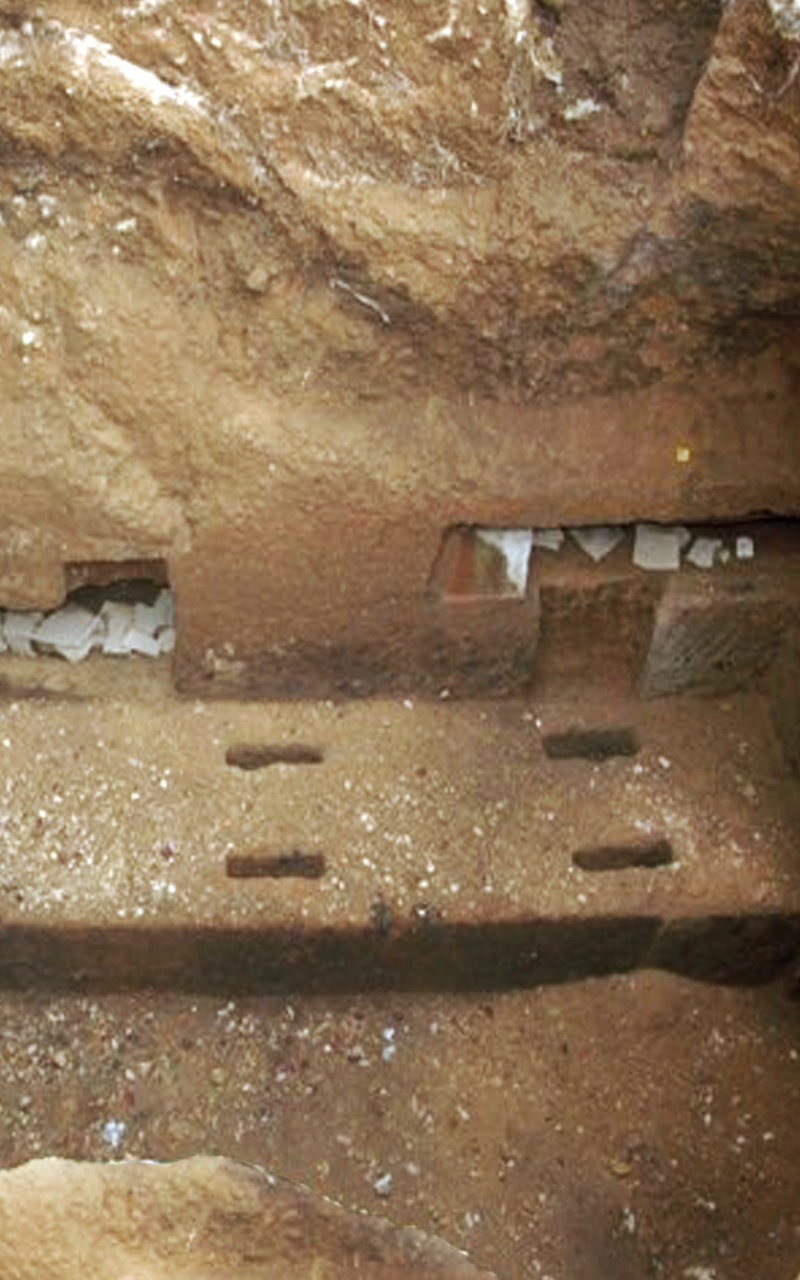
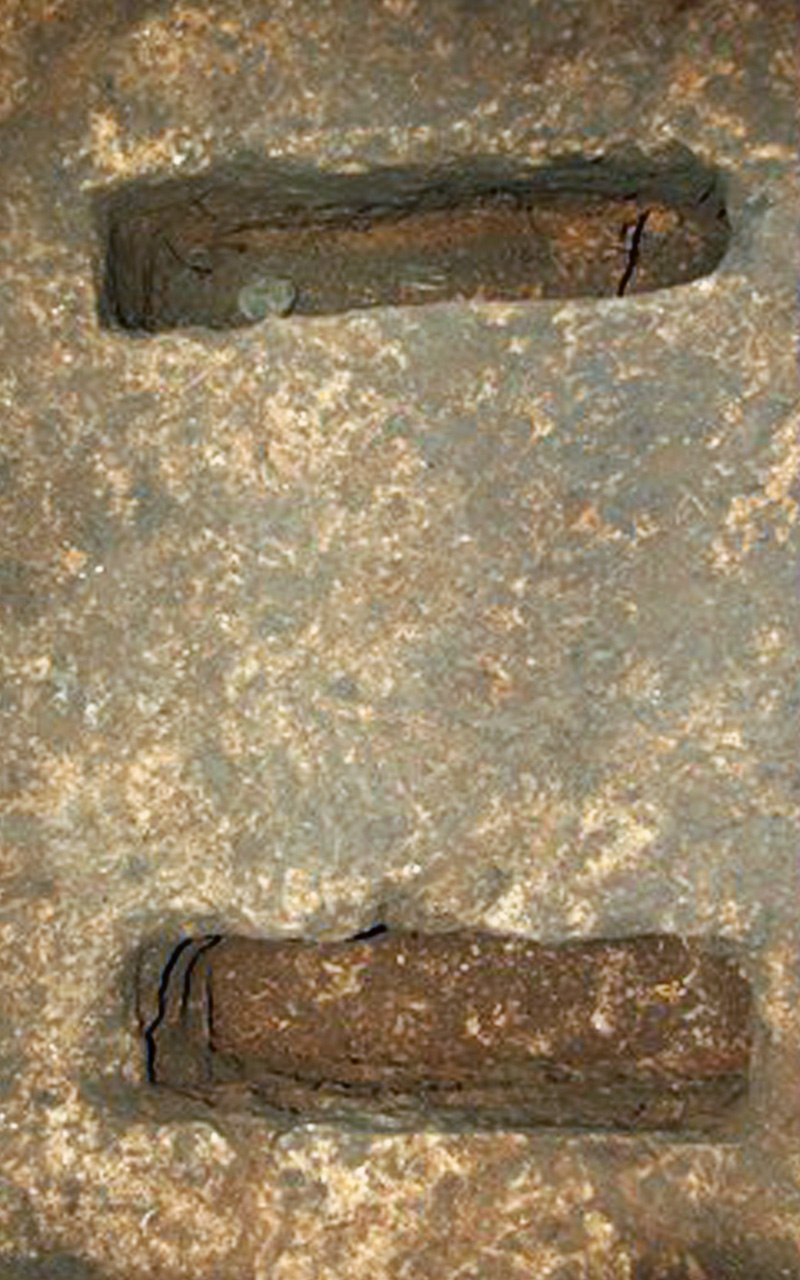
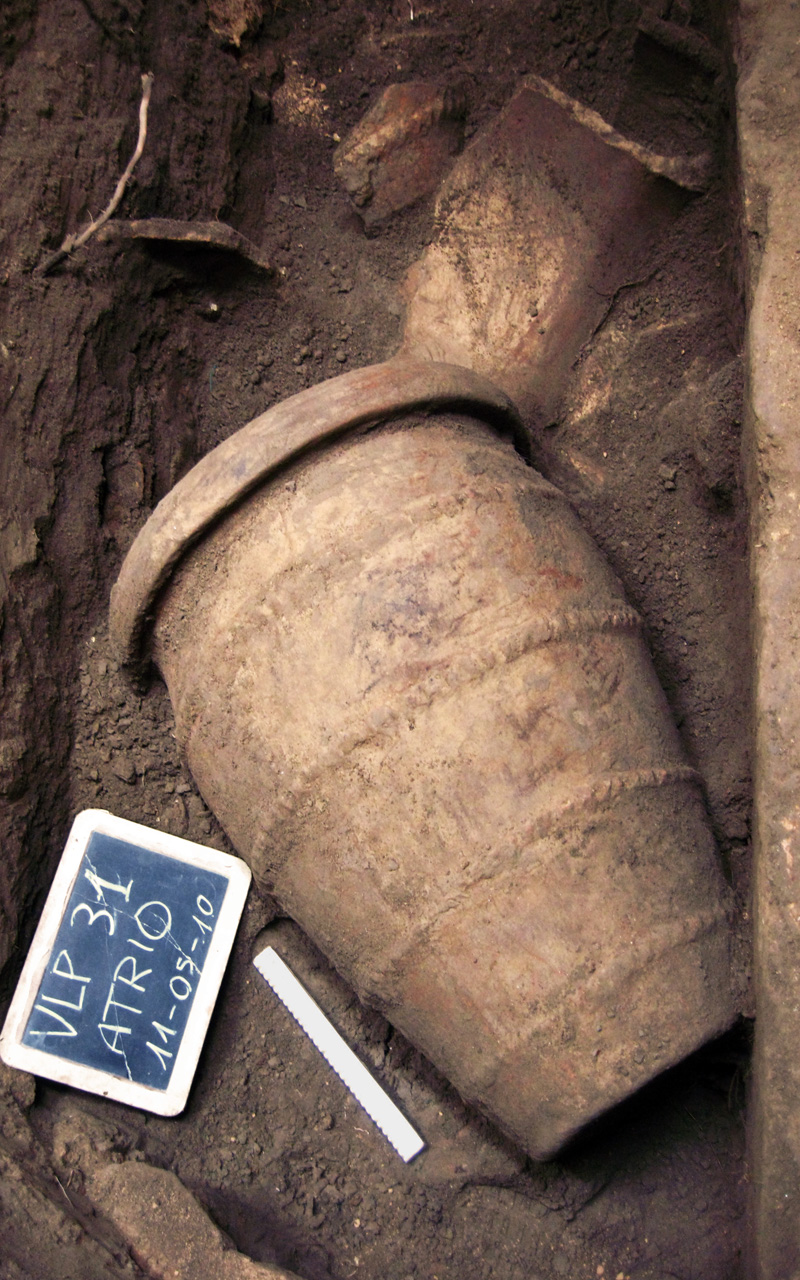
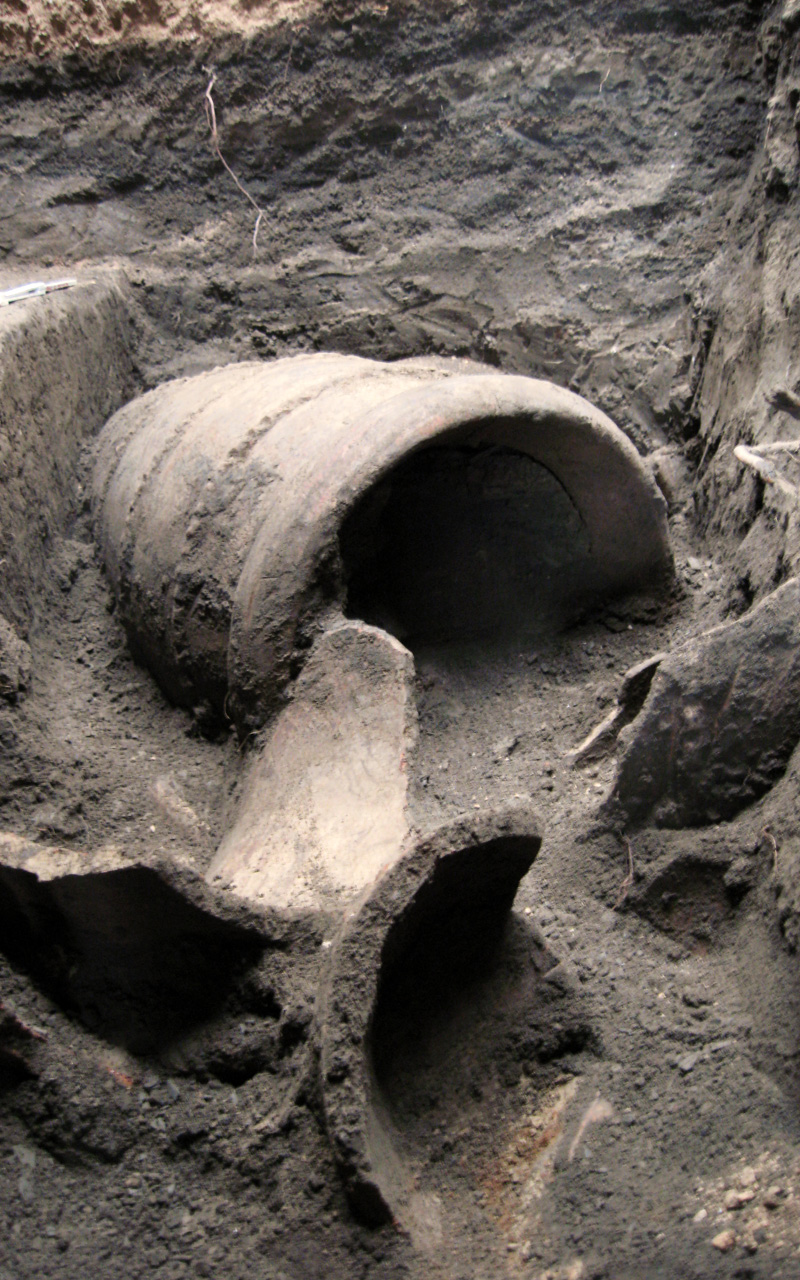
An example of these manifestations is provided by the discovery of Tomb 31 at Vigna la Piazza, datable between the 6th and the early 5th century BC. Located along the ancient route that climbed up from the lake, it was marked by a monumental tuff cippus. Inside, two imposing burial benches had been cut along the side walls: on the right-hand one stood a funeral bed, of which a bronze ornament has been preserved. Two burial chambers open in the rear wall, each with three pits for inhumations.
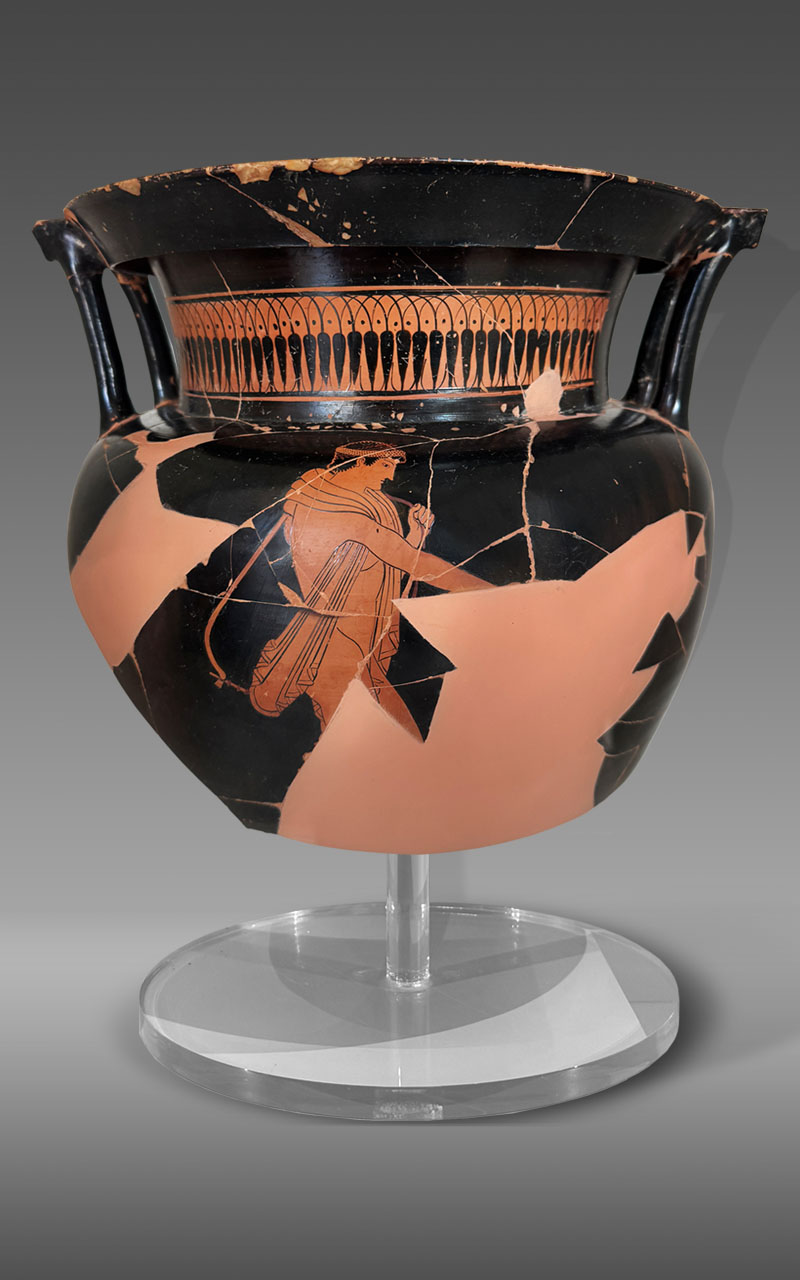
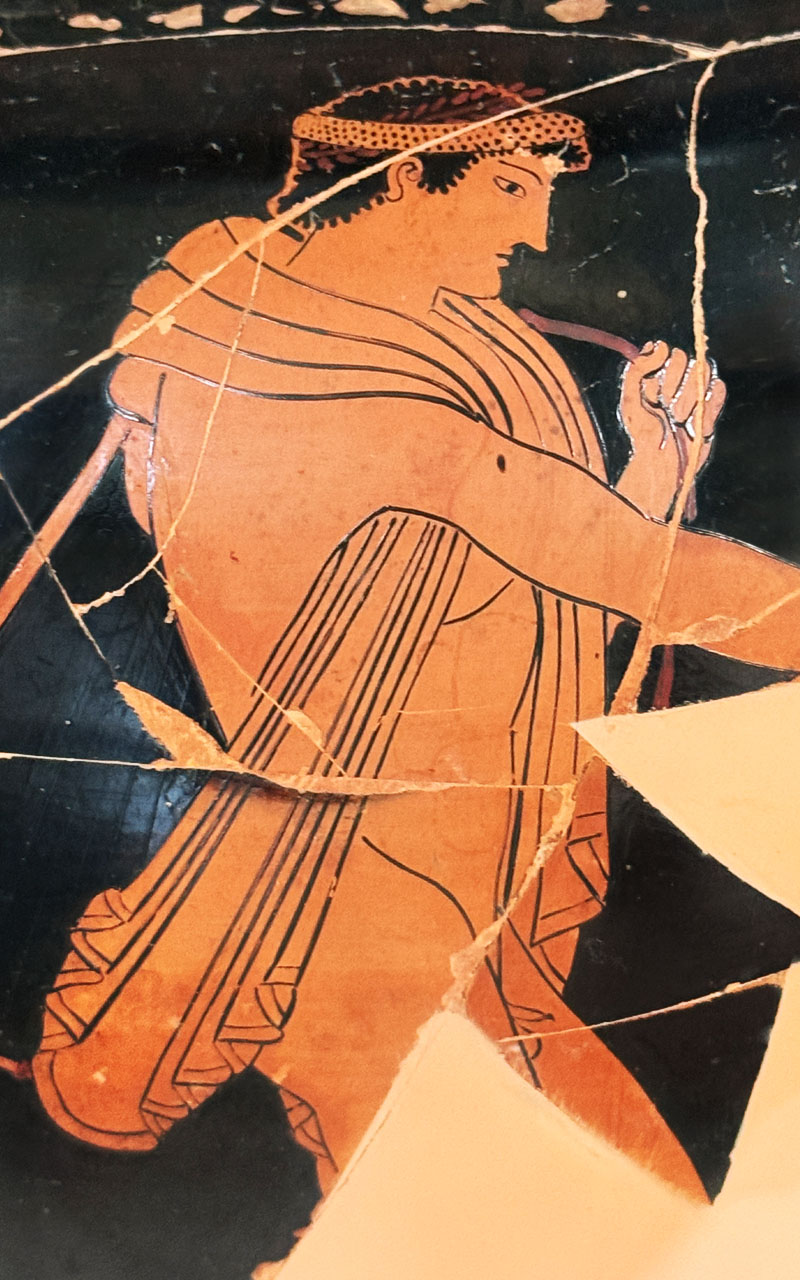
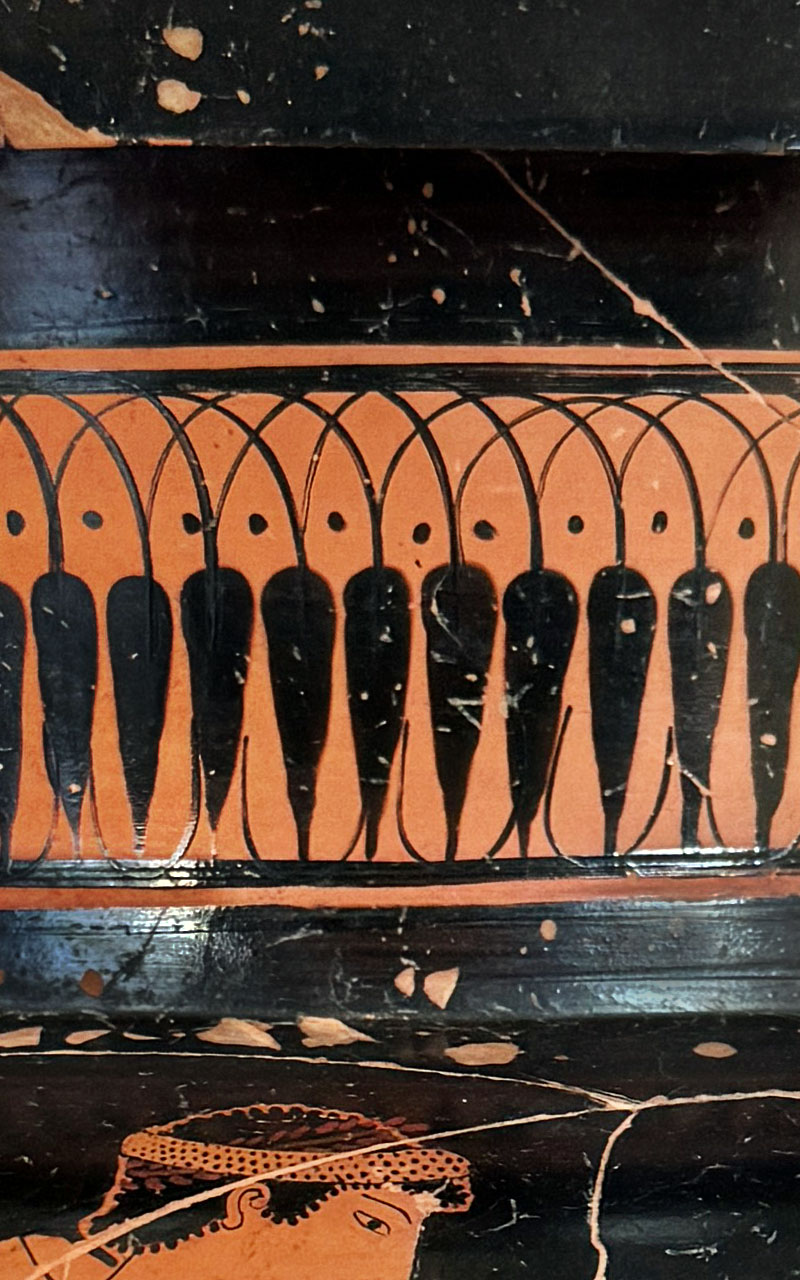
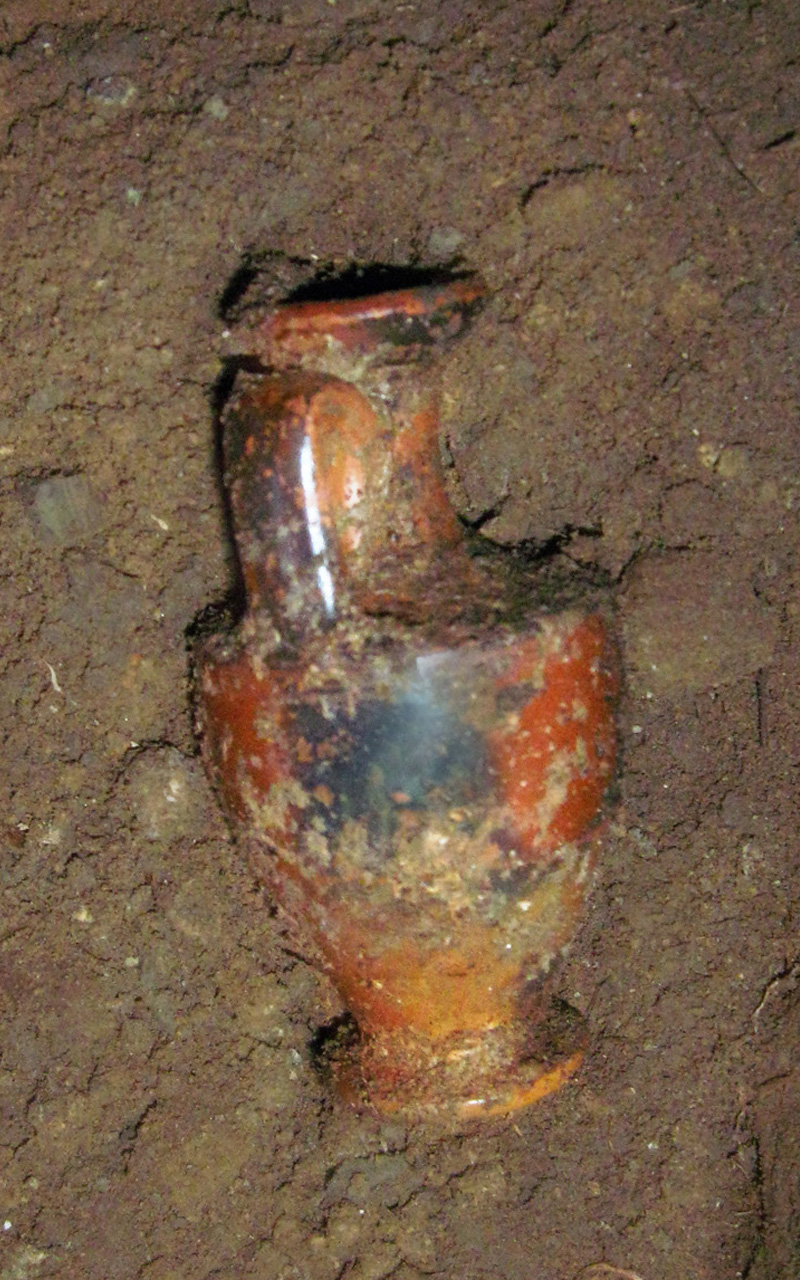
Overall, the tomb housed at least ten burials. Although already looted, it yielded the richest series of Greek vases found at Grotte di Castro, as well as a considerable quantity of storage vessels. Outside the hypogeum, several pit tombs were found, also containing objects of particular value, probably belonging to the same lineage, or gens.