
The history of Museo Civita coincides with the gradual rediscovery of the Etruscan heritage of Grotte di Castro. Born from the commitment of the local community and developed through collaboration between institutions, scholars and volunteers, the museum has become one of the main points of reference for understanding the archaeological heritage of Upper Tuscia.
The origins: the first Antiquarium
The museum’s history began in 1976, when a small Antiquarium was established inside the Palazzo Comunale. In those first rooms, artefacts from the Etruscan necropolises of the territory were collected and studied in order to prevent the dispersal of an archaeological heritage of great value.
Two years later, in 1978, the institution was recognised as a Museo Storico Didattico, strengthening its role in the protection and dissemination of local history.
The growth of the museum
The 1980s marked a decisive phase. Thanks to the support of the Progetto Etruschi, the Municipality acquired new spaces inside the Palazzo del Podestà and began a process of enlargement and reorganisation of the collections.
The aim was not only to preserve the artefacts, but to build a museum capable of telling, in an organic way, the history of the ancient Etruscan community that inhabited the Civita and the surrounding hills.
The birth of the Museo Civico Archeologico
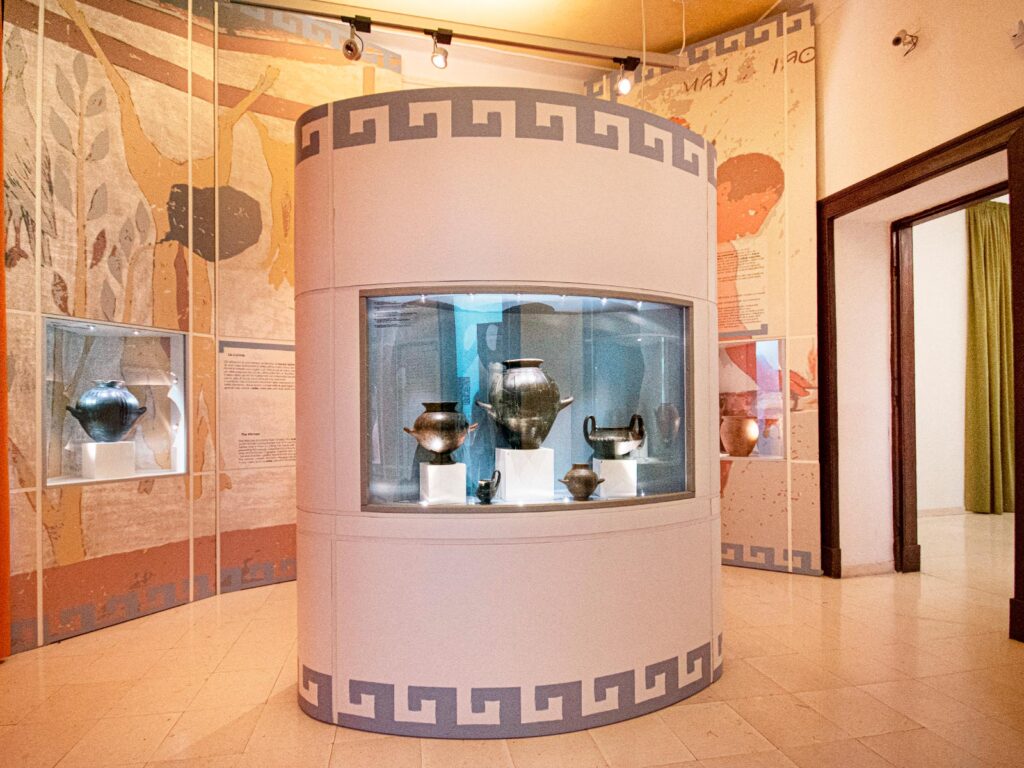
On 19 August 1993, the Museo Civico Archeologico e delle Tradizioni Popolari was inaugurated. For the first time, the rich grave goods from the necropolises of Vigna la Piazza and Pianezze were presented to the public within a structured and scientifically updated exhibition route.
The opening of the museum marked a fundamental step in the enhancement of the archaeological heritage of Grotte di Castro and helped strengthen the bond between the community and its history.
The move to the Palazzo del Vignola
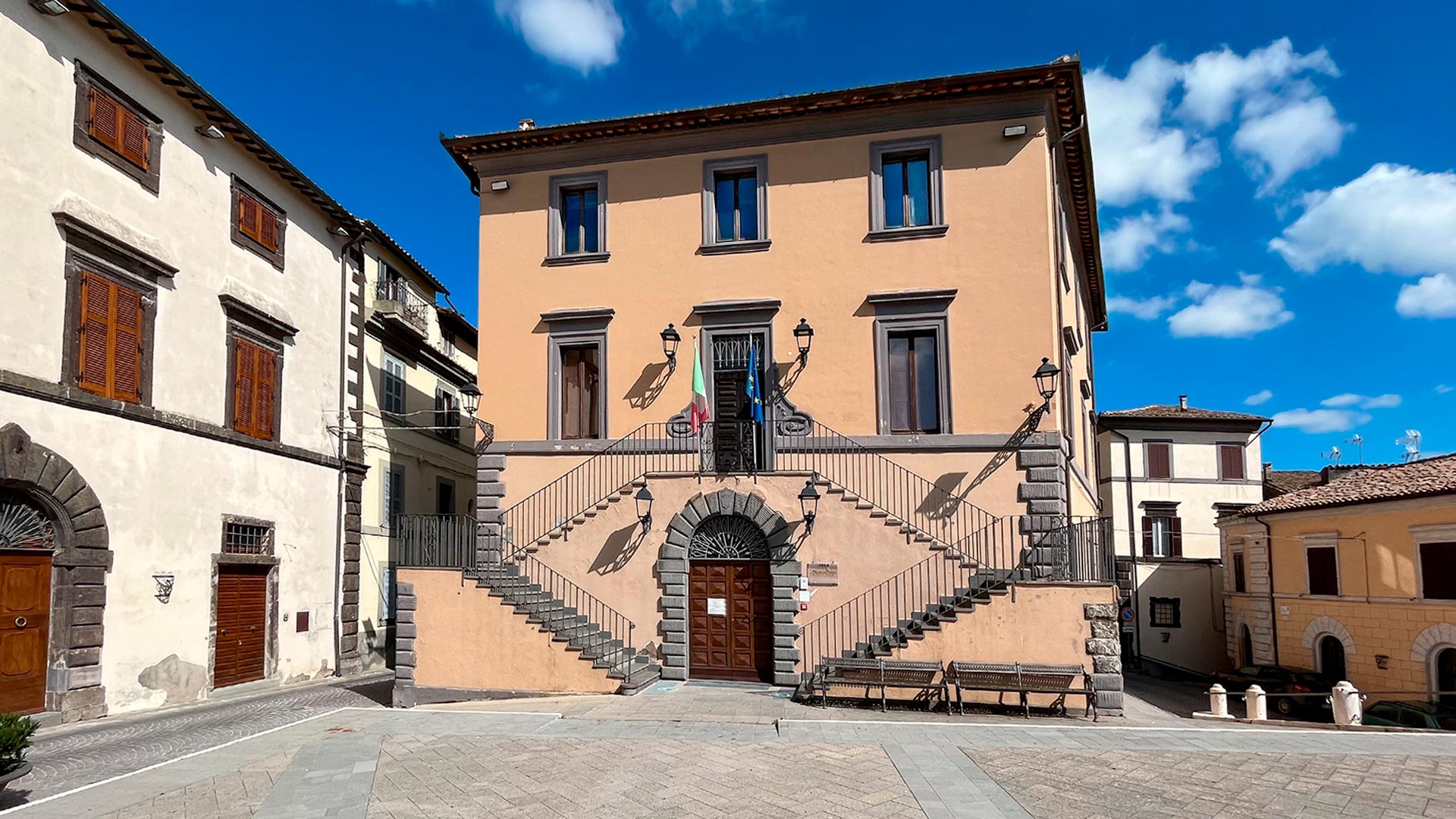
A new phase began in 2012, when the museum moved to its current home: the Renaissance Palazzo del Vignola, in the heart of the historic centre.
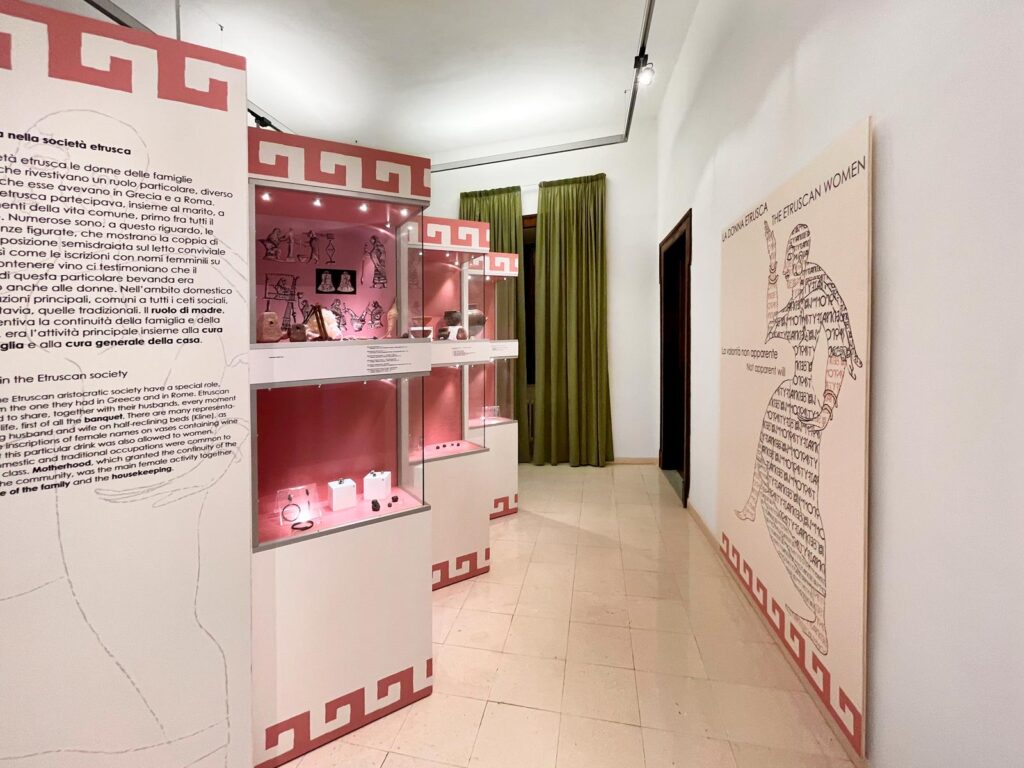
The building, designed in the second half of the 16th century and closely connected with the history of the village, offered larger and more representative spaces. The new exhibition layout was created through collaboration between the Municipality, Regione Lazio and the Soprintendenza, and made it possible to enhance the archaeological collections more effectively.
From that moment, the museum took the name Museo Civita, underlining its direct connection with the ancient Etruscan city from which many of the displayed artefacts come.
A museum that continues to evolve
In recent years, Museo Civita has continued its growth through new interventions dedicated to accessibility, inclusion and innovation in the visitor routes. The works carried out thanks to PNRR funds have improved the use of the spaces and developed tools designed for different audiences.
Today the museum continues to be a place of research, education and participation, where archaeological heritage becomes an opportunity for knowledge and dialogue between past and present.
A history that belongs to the community
The history of Museo Civita is not only the history of an archaeological collection. It is the history of a community that has chosen to recognise the value of its heritage and make it accessible to future generations.
Every new discovery, every exhibition layout and every activity helps keep alive the connection between the territory, memory and the people who live there.
To observe during your visit
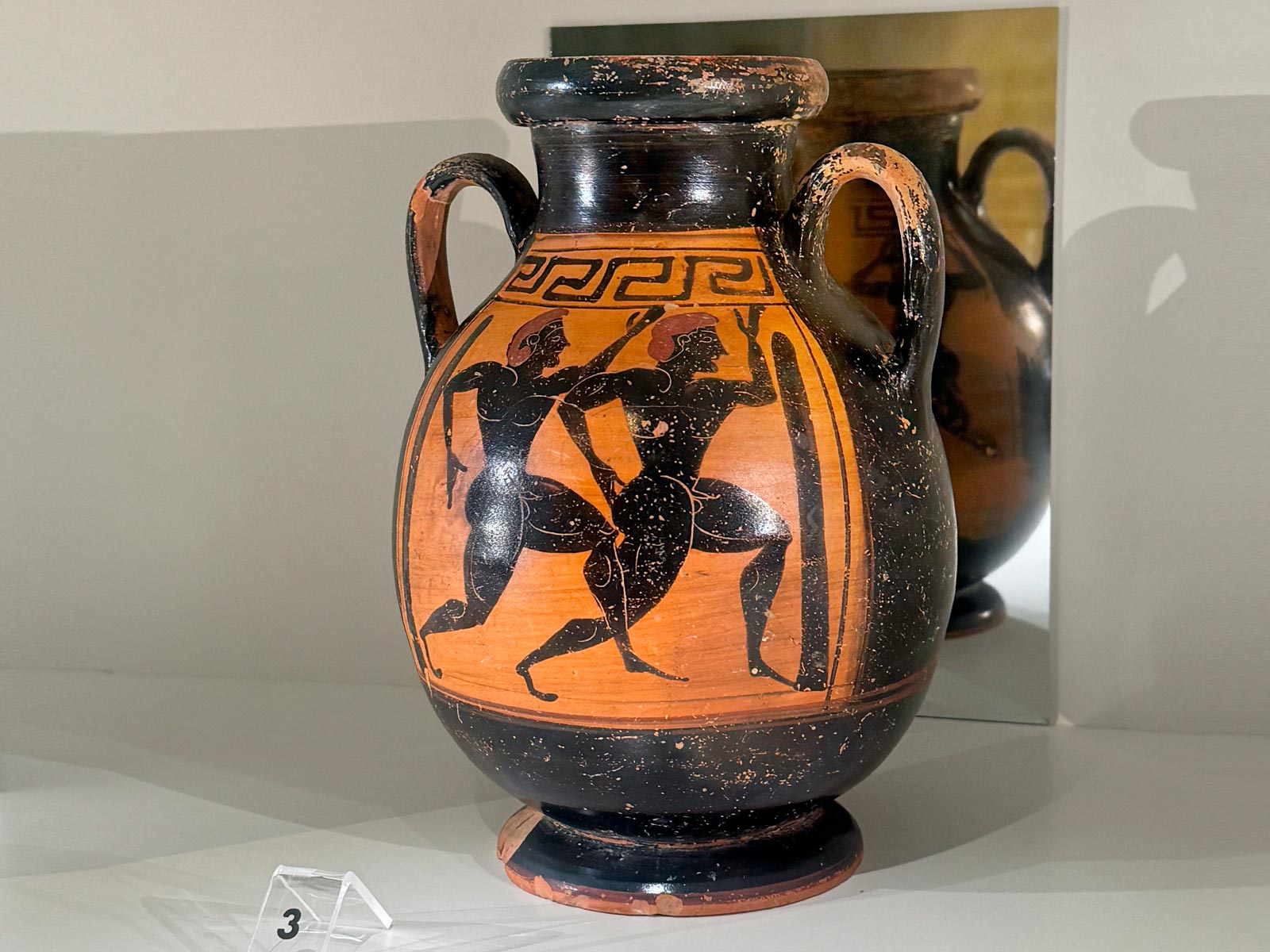
The artefacts from the first collections
Evidence from the necropolises that gave rise to the Antiquarium.
The Palazzo del Vignola
The Renaissance building that now houses the museum.
The evolution of the exhibitions
A route that tells almost fifty years of research and enhancement.
The new accessibility tools
Created to make the heritage more inclusive and understandable.
| Foundation of the Antiquarium: | 1976 |
| Recognition as Museo Storico Didattico: | 1978 |
| Museo Civico Archeologico: | 1993 |
| Move to the Palazzo del Vignola: | 19 May 2012 |
| Current museum: | Museo Civita |