The House of the Dead
Sculpted ceilings, painted beams and chambers carved into the tuff tell how the Etruscans imagined the passage to the afterlife.
Explore the route
The Memory of the Etruscans in the Tuff
From the monumental tombs of Pianezze to the artefacts preserved in the museum, the route tells the story of the Etruscan Civita and its funerary landscape.
Discover the necropolises
Museo Civita in the Palazzo del Vignola
In the heart of Grotte di Castro, a Renaissance palace preserves the evidence of the ancient Etruscan centre of the Civita.
Discover the palace
The Origins of the Etruscan Civita
At Vigna la Piazza, the oldest tombs tell of families, rituals and relationships within the Etruscan community between the 8th and 7th centuries BC.
Discover Vigna la Piazza
Objects that Cross Time
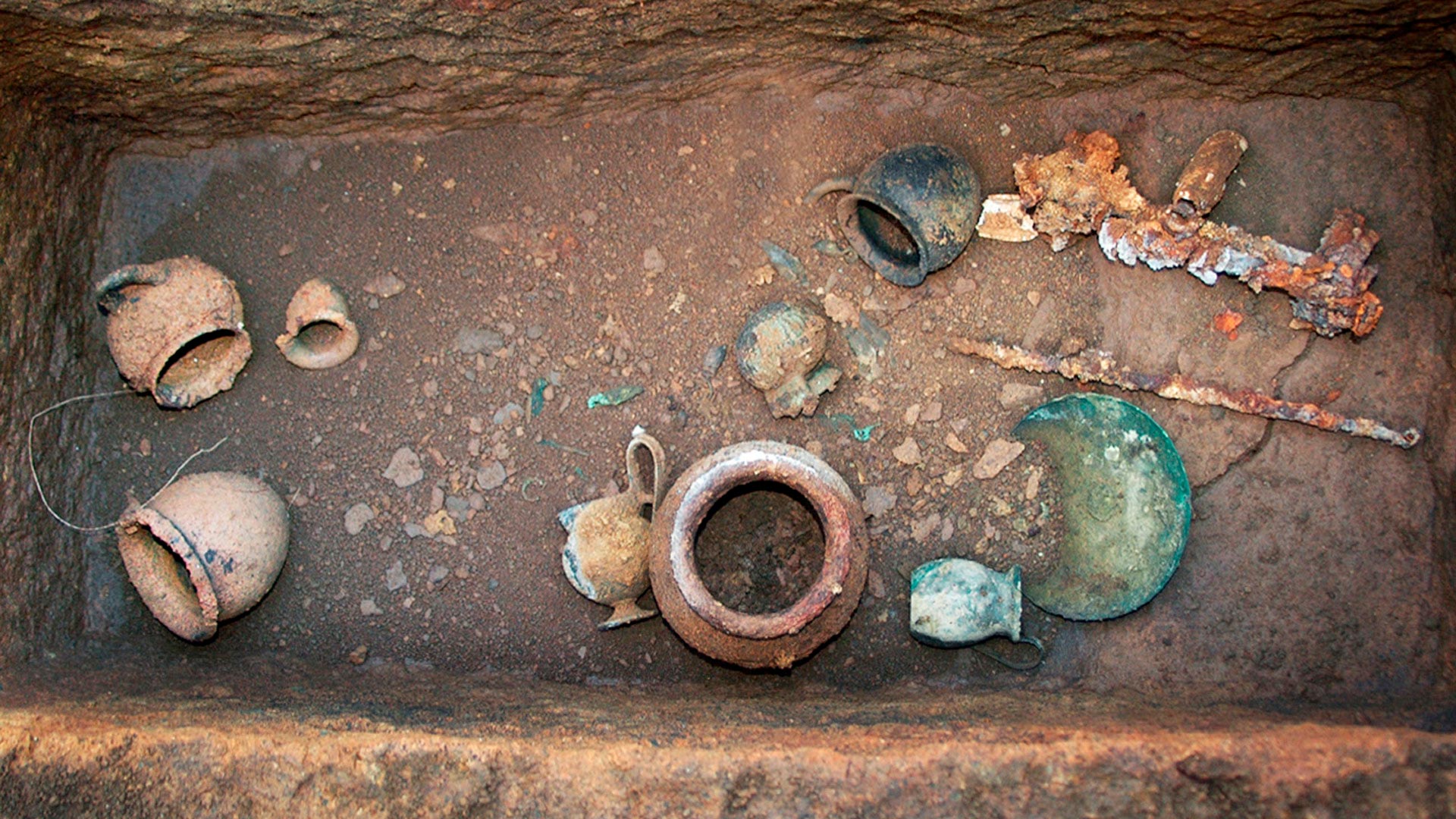
Vessels, ornaments, weapons and everyday tools bring back the gestures, roles and memories of the Etruscan community of Grotte di Castro.
View the collections
From the Museum to the Landscape of the Civita
Museo Civita connects artefacts, necropolises and territory, offering a key to understanding the Etruscan history of Grotte di Castro.
Read the mission

Information

Opening hours

Check the updated opening hours of Museo Civita and plan your visit in the historic heart of Grotte di Castro.

From April 1 to June 30: Friday to Sunday, 10:30 AM–1:00 PM / 3:30 PM–6:00 PM

From July 1 to September 8: Wednesday to Sunday, 10:30 AM–1:00 PM / 3:30 PM–6:00 PM

From September 9 to November 1: Friday to Sunday, 10:30 AM–1:00 PM / 3:30 PM–6:00 PM

What the museum offers

Archaeological collections, thematic routes, accessible tools, multimedia content and in-depth resources dedicated to the Etruscan Civita.

The Etruscan World

The museum tells the story of the Etruscan community of Grotte di Castro through artefacts, tombs, funerary rituals and evidence of everyday life.

The museum

In brief

Museo Civita is housed in the Renaissance Palazzo Comunale known as “il Vignola”. Its rooms display artefacts from the Etruscan necropolises of Grotte di Castro and tell the story of the ancient settlement of the Civita.

Key facts

From the circle tombs of Vigna la Piazza to the funerary chambers of Centocamere and Pianezze, the route guides visitors through the Etruscan funerary landscape, grave goods, rituals and forms of memory.
Collections

A route dedicated to the necropolises of Grotte di Castro, funerary architecture and death rituals understood as passage, family memory and continuity between the living and the dead.
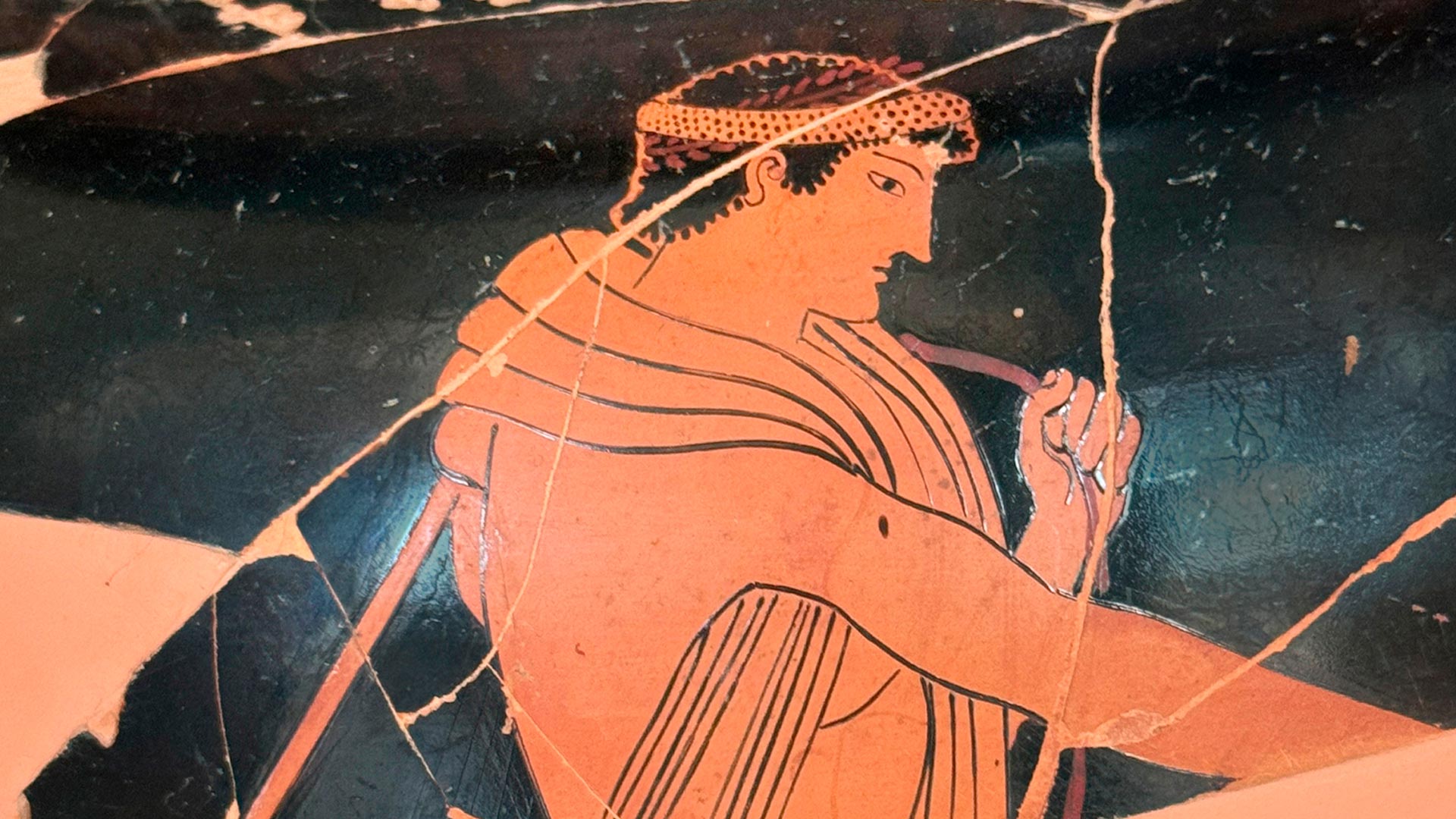
Artefacts, grave goods and archaeological evidence tell the story of the Etruscan community: the role of men and women, everyday objects, signs of rank and relationships with the territory.

Projects

A project dedicated to cultural accessibility, with tactile content, simplified texts, QR codes, NFC, audio, LIS videos and tools designed for different audiences.

Under 14 Route

An itinerary designed for children and young people, with simple language, images, activities and content that bring the Etruscan world closer in a direct and engaging way.

The museum is part of the Sistema Museale del Lago di Bolsena, SiMuLaBo, a network of 12 museums in the area that carries out educational and heritage promotion activities.

Virtual visit

A digital route to explore the museum, approach the collections and prepare a visit remotely through images, content and in-depth resources.

News & Events

An everyday object
Small artefacts such as vessels, fibulae, weapons and tableware make it possible to reconstruct everyday gestures, social roles and rituals of the Etruscan community.
Necropoli di Centocamere
Tombs carved into the tuff, co-axial chambers, tunnels and ancient funerary paths tell the story of one of the most evocative complexes in the territory of Grotte di Castro.
The new exhibition layout
Museo Civita is renewed with a more accessible route, new reading tools and content designed to guide every visitor in the discovery of the Etruscan Civita.