
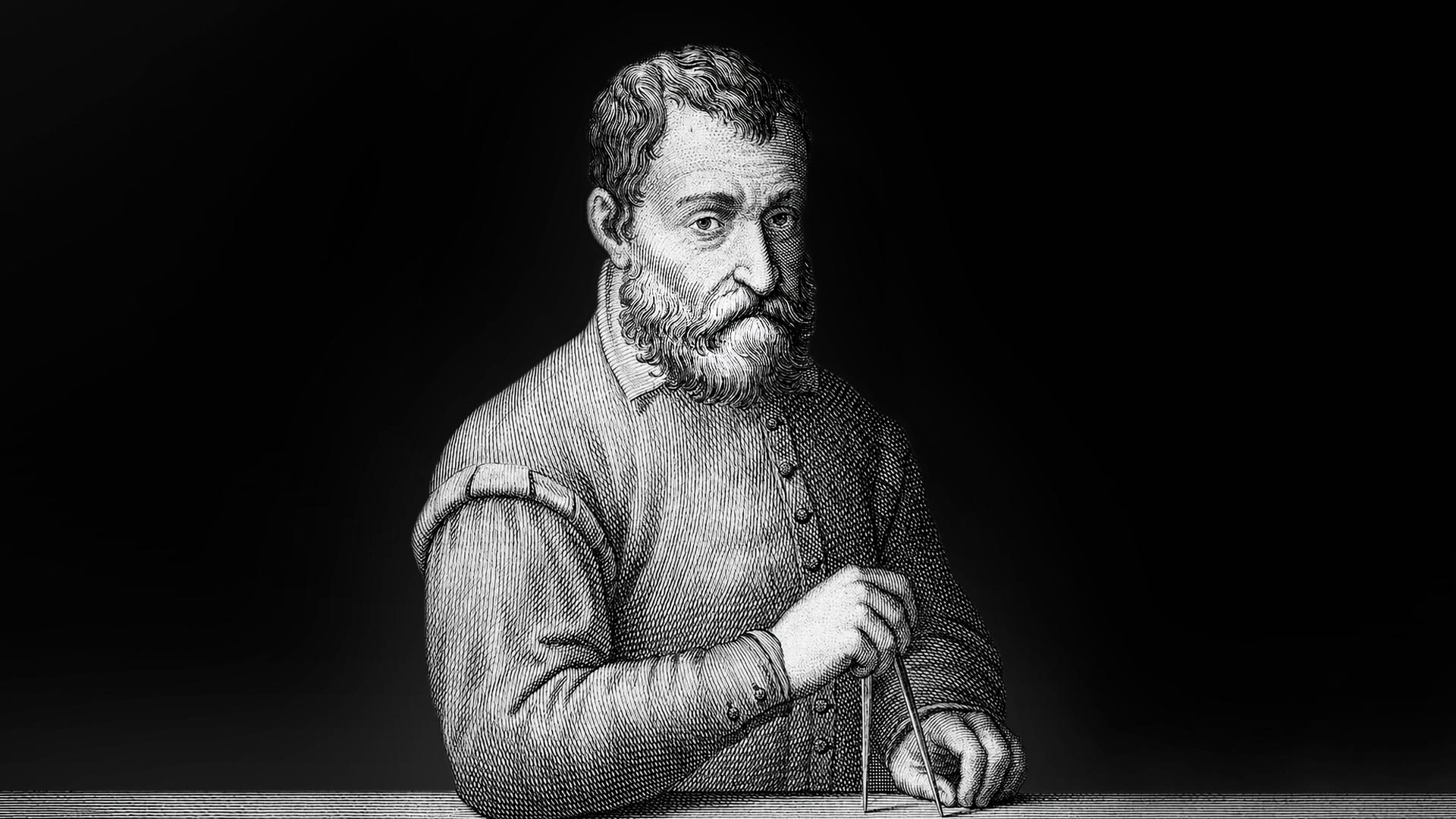
Among the leading figures of 16th-century Italian architecture, Jacopo Barozzi, known as Vignola, is remembered for some of the most important works of the Renaissance. Grotte di Castro also preserves evidence of his work: the Palazzo Comunale, now home to Museo Civita, designed after the earthquake that struck the village in 1563.
One of the great masters of the Renaissance
Jacopo Barozzi was born in Vignola, Emilia, in 1507. His training developed through architecture, drawing and the study of classical antiquity, at a time when Italy was experiencing an extraordinary artistic season.
Throughout his career he worked for popes, cardinals and great noble families, becoming one of the most influential architects of his time.
His work stands alongside that of figures such as Michelangelo, Palladio and Sangallo, contributing to the definition of the architectural language of the mature Renaissance.
The connection with the Farnese
An important part of Vignola’s career was linked to the Farnese family, one of the most powerful families in 16th-century Italy.
For them he designed numerous civil and religious works, including the celebrated Palazzo Farnese in Caprarola, considered one of the masterpieces of European Renaissance architecture.
It was during this period that his name was also associated with the reconstruction of the Palazzo Comunale of Grotte di Castro.
The project for Grotte di Castro
In 1563 an earthquake seriously damaged the previous town hall of the village.
The community decided to entrust the new project to an architect of great prestige, and the choice fell on Vignola.
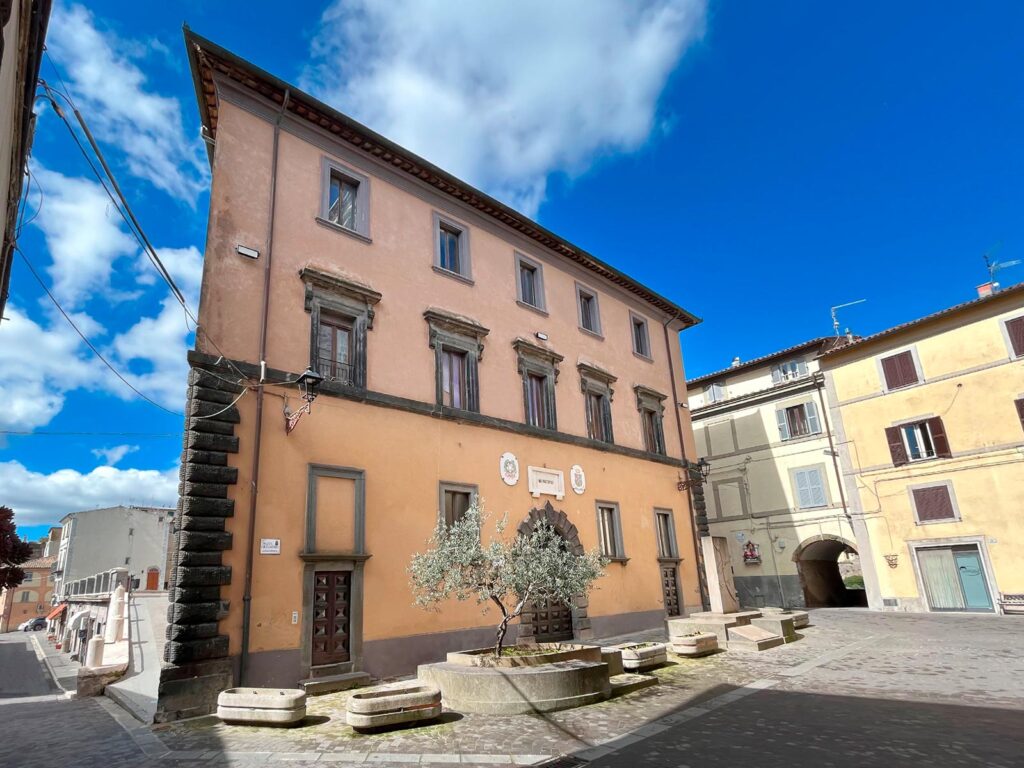
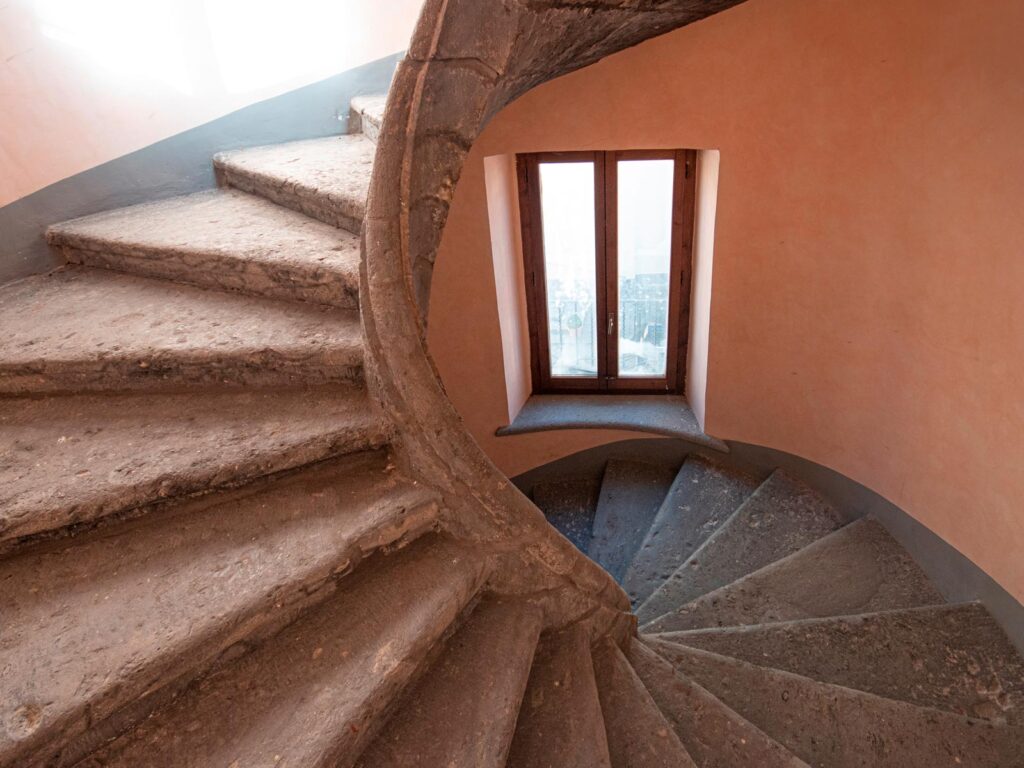
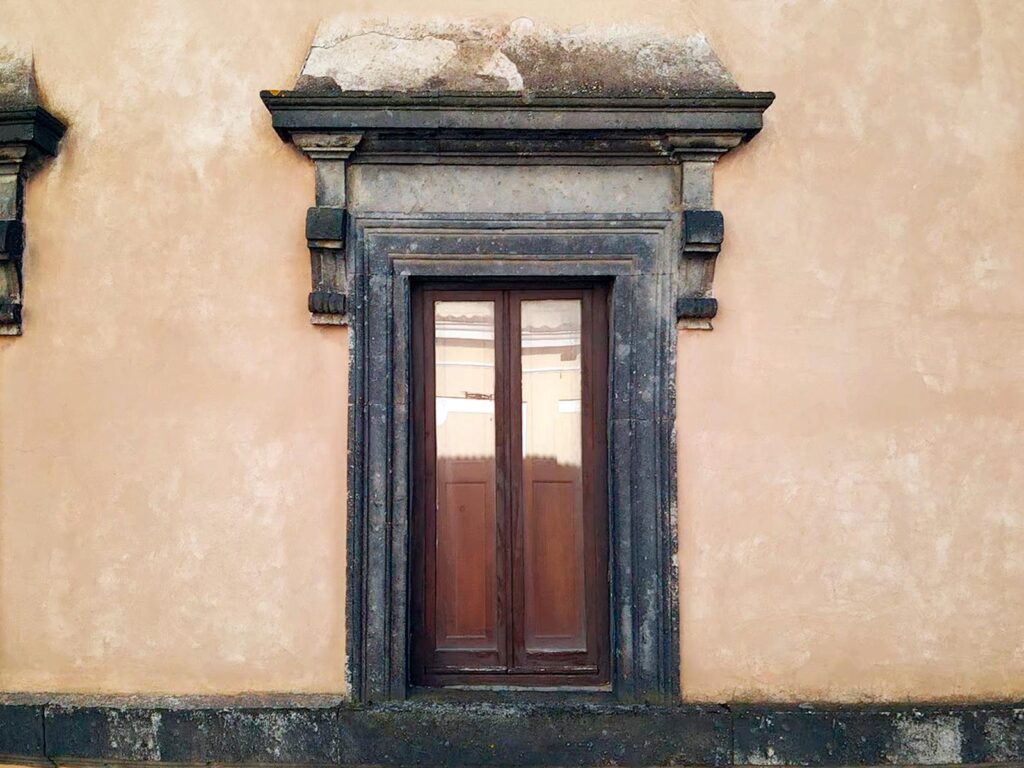
The palace was completed after about eighteen years of work and still preserves original architectural elements connected to the Renaissance project: the monumental portal, the windows of the piano nobile, the rusticated corners and the famous internal spiral staircase.
This presence makes Grotte di Castro one of the places in Tuscia that preserves direct evidence of the work of the great architect.
The staircase as a work of art
Among the most surprising elements designed by Vignola is the spiral staircase of the palace.
With its 66 self-supporting steps, it represents a perfect synthesis of function, elegance and technical skill.
During the Renaissance, the staircase gradually ceased to be a simple service element and became a protagonist of architectural space. The staircase of the Palazzo Comunale is a significant example: a work conceived to amaze and to guide visitors through the building.
A legacy still visible
Almost five centuries after its construction, Vignola’s project continues to characterise the historic centre of Grotte di Castro.
The palace that bears his name is today the home of Museo Civita and represents one of the meeting points between the Etruscan history of the territory and its Renaissance heritage.
Visiting the museum therefore means entering not only a place dedicated to archaeology, but also a building designed by one of the most important architects in Italian history.
Why Vignola is important for Museo Civita
Museo Civita tells more than two thousand years of the territory’s history.
The presence of the Palazzo del Vignola adds a further chapter to this story: that of the Renaissance and of the transformation of the village between the 16th and 17th centuries.
The building is not only the container of the archaeological collections, but is itself an integral part of the cultural heritage that the museum preserves and enhances.
To observe during your visit
The façade of the palace
It still preserves elements connected to the original 16th-century project.
The spiral staircase
One of the most surprising architectural elements of the building.
The Renaissance details
Portal, windows and rustication testify to Vignola’s architectural language.
The dialogue between periods
The encounter between a Renaissance building and the museum’s Etruscan collections.
| Full name: | Jacopo Barozzi |
| Nickname: | Il Vignola |
| Birth: | 1507 |
| Death: | 1573 |
| Historical period: | Italian Renaissance |
| Work in Grotte di Castro: | Project for the Palazzo Comunale |
| Famous work: | Palazzo Farnese in Caprarola |