
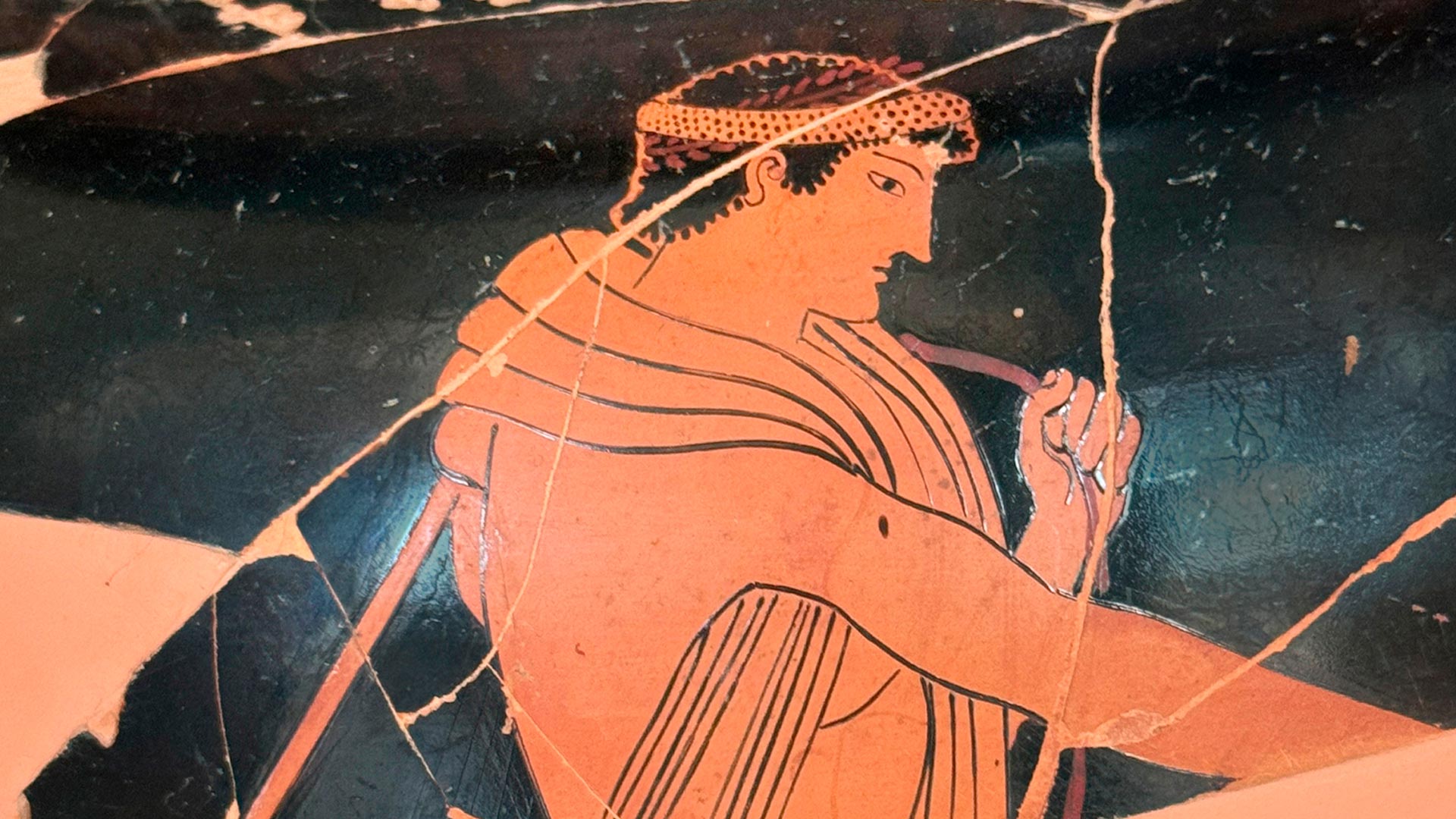
The necropolises of the Civita do not only provide information on life and death. Through the size of the tombs, the quality of the grave goods and the presence of particular objects, it is possible to recognise the social role of individuals and understand how the Etruscan community that inhabited this territory was organised.
A society made of differences
The Civita was an articulated community, made up of families with different roles and levels of prestige.
Not all burials were the same.
Some tombs were simple pits dug into the ground, while others required a great investment of labour and resources, such as the monumental chamber tombs carved into the tuff.
These differences reflect the position occupied by individuals and their families within society.
Tombs as symbols of prestige
The most monumental tombs are among the clearest signs of power.
The creation of long dromoi, atria and funerary chambers required technical skills, organisation and available resources.
They were not simply burial places, but true monuments intended to preserve the memory of the family over time.
Even today these architectures testify to the central role of the elites in community life.
Objects that tell social rank
Grave goods also allow us to recognise differences in prestige.
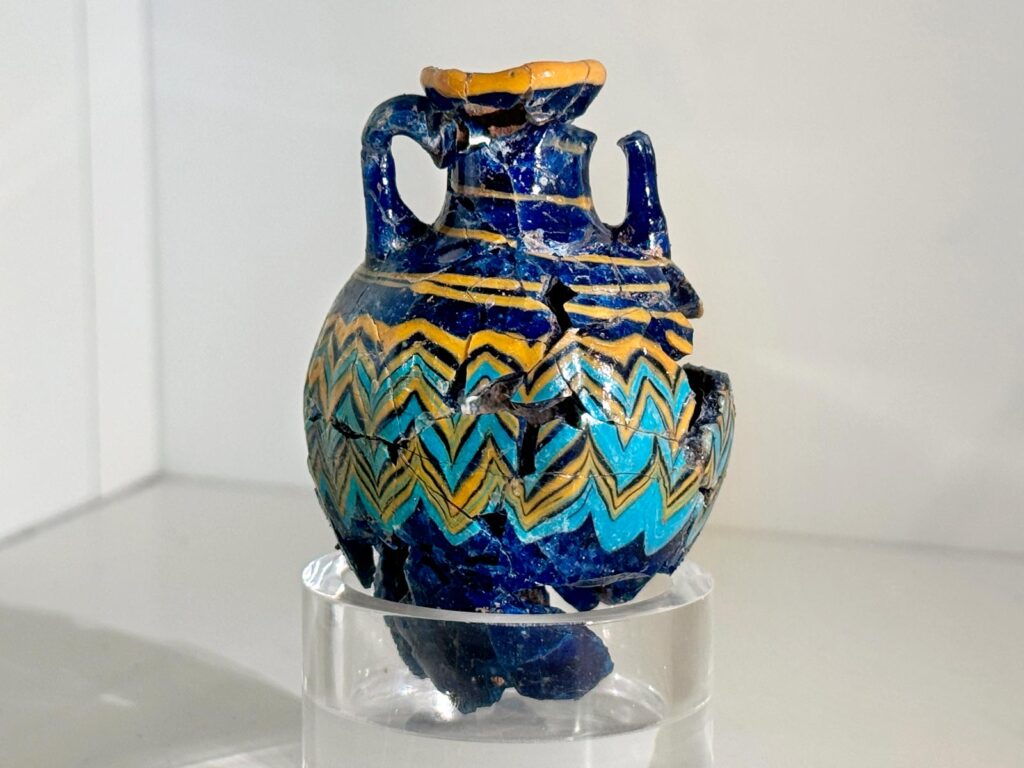
Alongside vessels intended for daily life there sometimes appear particularly refined objects, personal ornaments, weapons and artefacts from wider exchange networks.
The presence of these finds indicates the ability to access valuable goods and participate in the economic and cultural relationships that connected the Civita with other centres of Etruria.
The power of relationships
Signs of prestige did not depend only on wealth.
The oldest tombs of Vigna la Piazza show contacts with important centres in the Lake Bolsena area and the Orvieto territory.
The objects found testify to a network of relationships that helped define the role of the most influential families within the community.
Through these ties the Civita took part in the major cultural processes affecting Etruria at the time.
Power and memory
For the Etruscans, prestige did not end with death.
The tombs became places intended to preserve the memory of people and families through the generations.
Funerary architecture and grave goods helped build a collective memory capable of surviving over time, strengthening the social role of the most important family groups.
A language made of symbols
Weapons, ornaments, imported objects and funerary monuments formed a language that the community could understand.
Each element communicated information about the role, prestige and identity of the deceased.
For archaeologists today, these signs are precious tools for understanding the organisation of Etruscan society and the dynamics that shaped life in the Civita.
Reading power through archaeology
The necropolises make it possible to observe aspects that rarely emerge from written sources.
Through the tombs and artefacts, it is possible to reconstruct social relationships, hierarchies and forms of representation of prestige.
Signs of power do not tell only of some individuals, but help us understand how the entire community functioned.
From tombs to history
The evidence preserved in Museo Civita allows visitors to observe closely the objects that accompanied men and women in their lives and in the construction of their memory.
Every artefact adds a piece to the understanding of a society that left traces in the territory still visible today.
What to observe
Monumental tombs
Funerary architecture intended for the most important families.
Personal ornaments
Objects that express identity and prestige.
Weapons
Symbols of role and social recognition.
Imported artefacts
Evidence of relationships with other Etruscan centres.
| Documented period: | 8th–5th century BC |
| Main indicators of prestige: | Monumental tombs, rich grave goods, refined objects |
| Main necropolises: | Vigna la Piazza, Centocamere, Pianezze |
| Related themes: | Society, family, memory |
| Where to explore further: | Museo Civita |